share this
The interior design trends shaping 2026 are experience-first spaces, hospitality-inspired environments, greater flexibility, integrated wellness, warmer materials, smarter technology, and stronger local character. Across workplace, hospitality, and multifamily settings, these priorities are creating spaces that feel more comfortable, adaptable, and connected to the people who use them.
Longevity is shaping these decisions too. Commercial spaces need to look current while functioning well through daily use, changing needs, and years of wear. The strongest ideas balance what feels fresh today with thoughtful design choices that can stay relevant well beyond 2026.
Experience-First Design Takes Center Stage
Commercial spaces are increasingly shaped around how people experience them from arrival to departure. In workplaces, that can mean creating comfortable settings for focus, collaboration, and connection. Hospitality spaces can use thoughtful lighting, furnishings, and circulation to shape the guest experience, while multifamily properties can prioritize shared areas residents actually use.
This experience-first approach considers more than appearance. Acoustics, comfort, intuitive layouts, durability, and ease of movement all influence how a space performs in daily life. When these elements work together, the environment feels purposeful rather than simply polished.
For owners and organizations, the opportunity is to invest in spaces that create meaningful experiences while remaining practical, functional, and relevant over time.
Hospitality-Inspired Design Moves Across Sectors
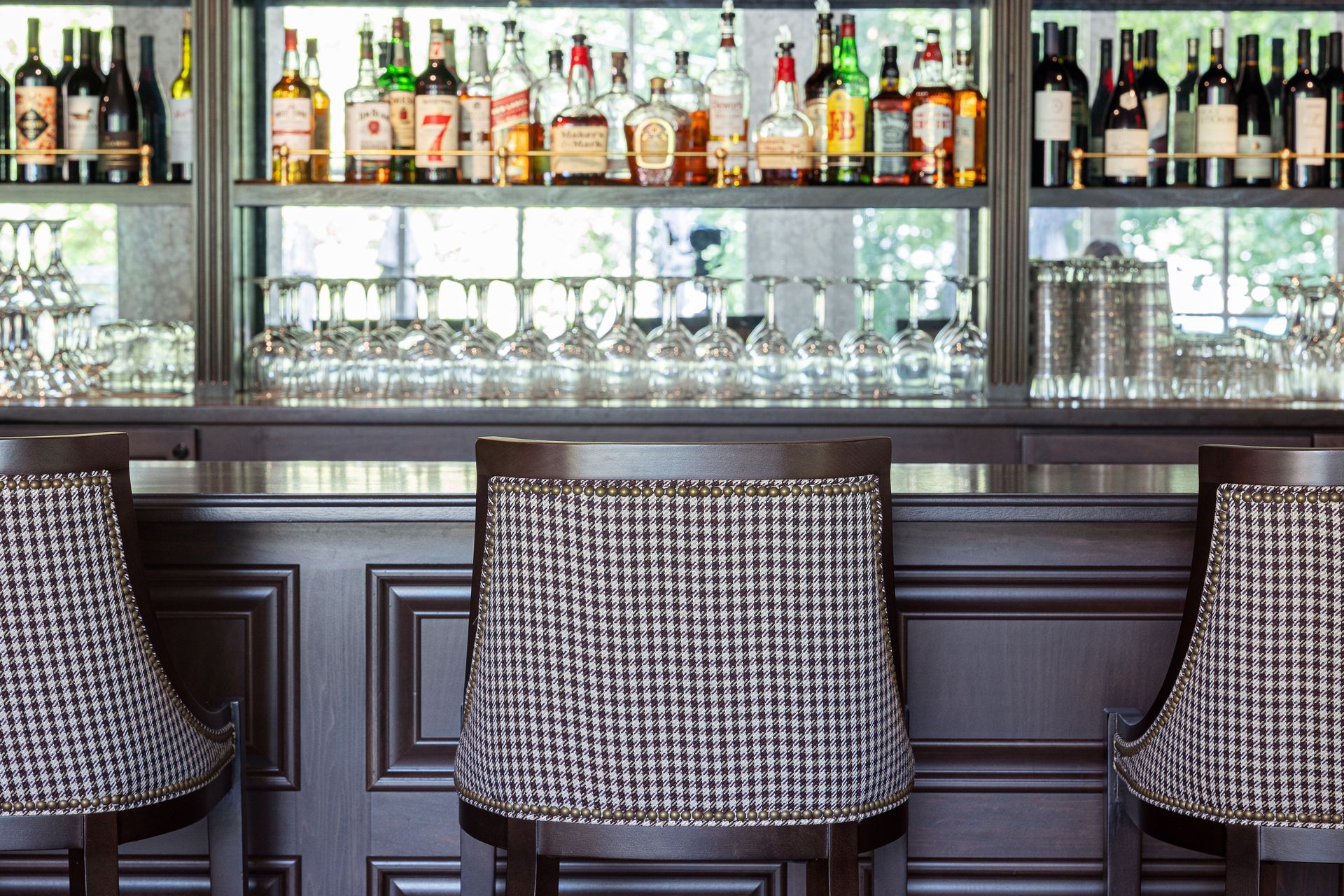
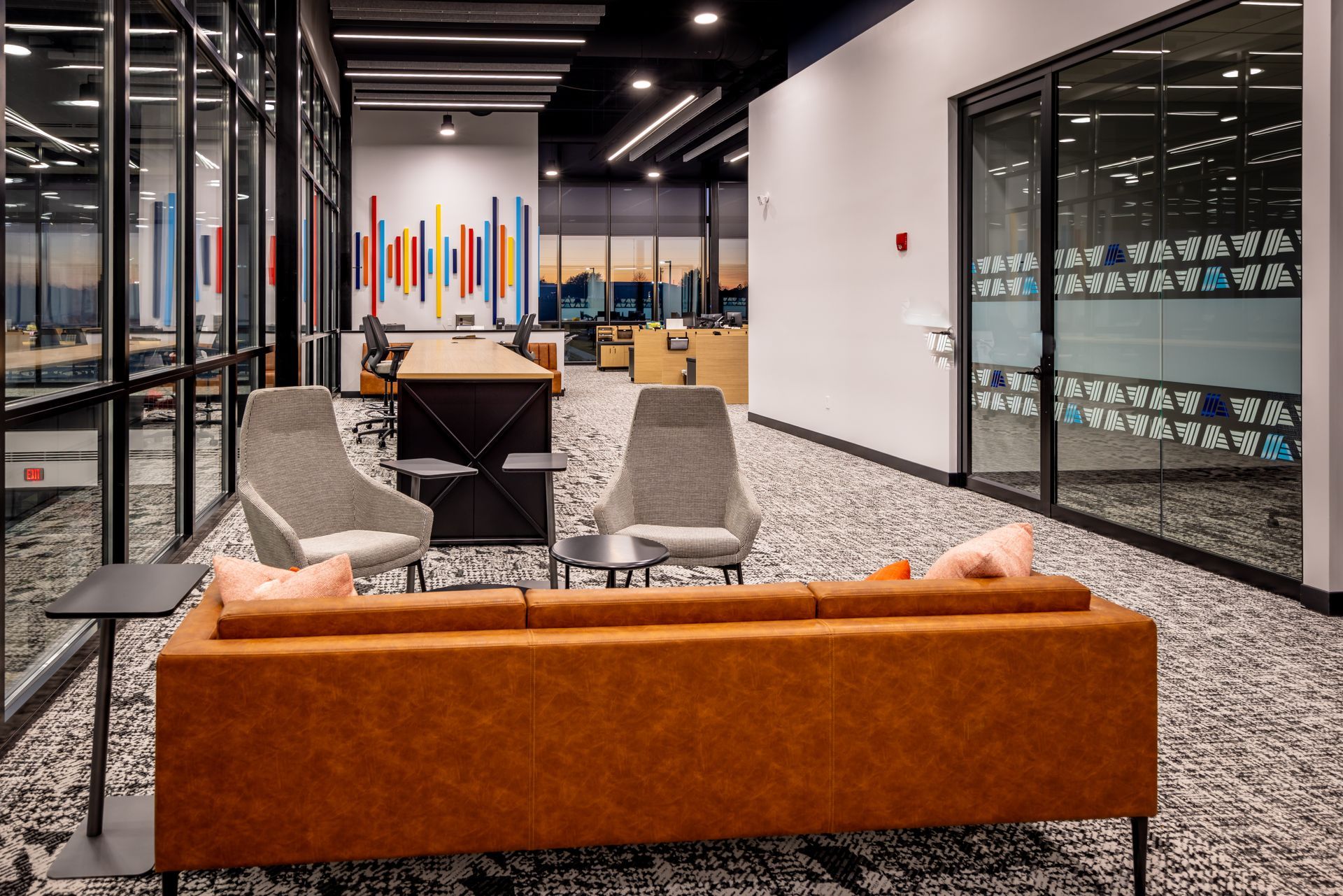
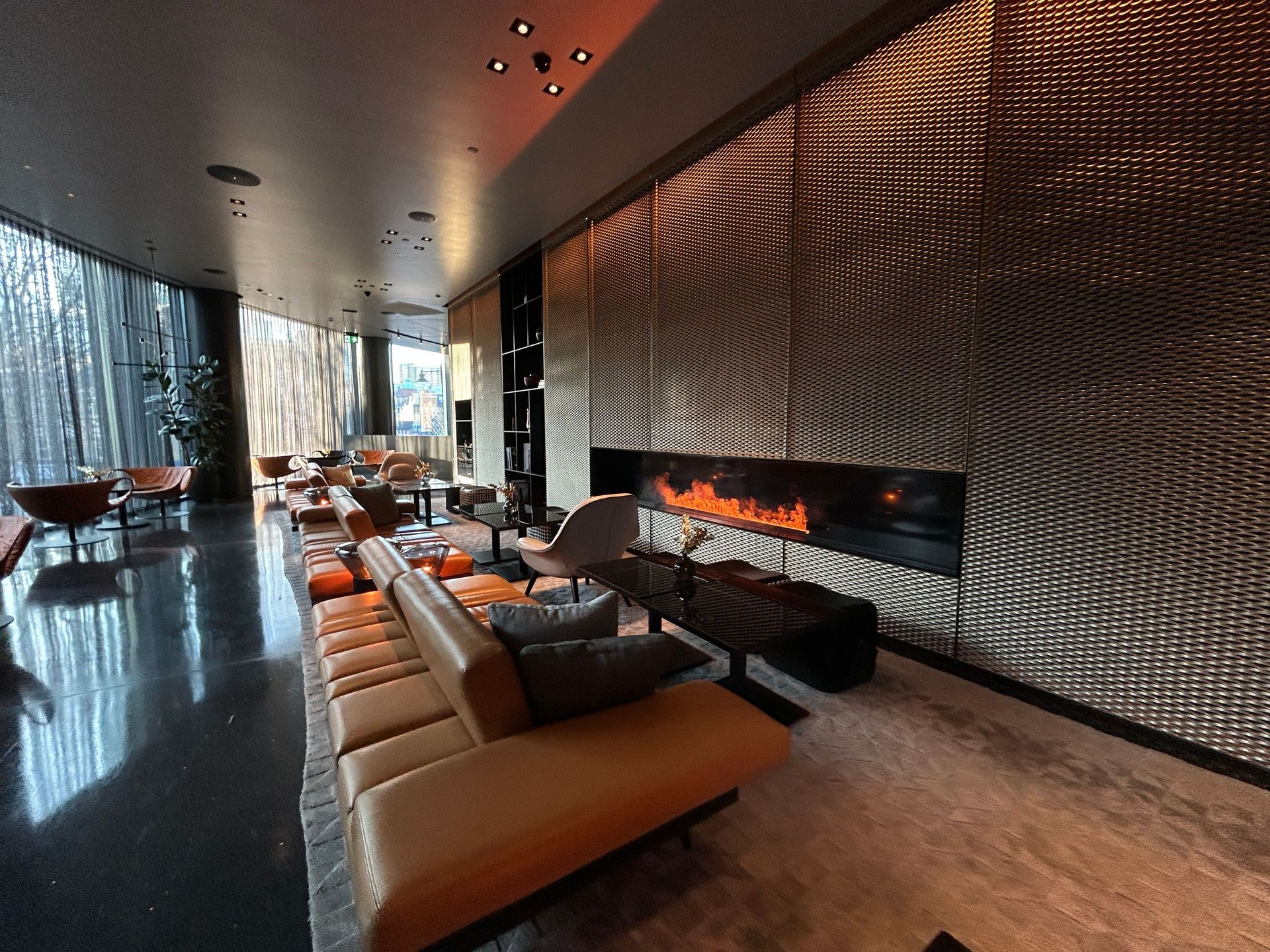
Hospitality principles are influencing how workplaces and multifamily environments welcome people, encourage connection, and create comfort. Lounge-style seating, warmer lighting, layered materials, and thoughtfully designed arrival areas can bring a more inviting feel to spaces once centered primarily on function.
In workplaces, these elements can create comfortable settings for informal meetings and social interaction. Multifamily properties are also embracing
amenity spaces that build community, with shared lounges and gathering areas designed around how residents connect and spend time together.
The goal is a thoughtful experience that fits the setting. Borrowing the strongest ideas from hospitality can create commercial environments that feel warm and considered while still serving the practical needs of employees, residents, and guests.
Flexible Spaces Are Designed to Evolve
Commercial spaces need to adapt as work habits, resident expectations, and guest experiences change. In 2026, flexibility is moving beyond movable furniture toward spaces planned for multiple uses and future shifts.
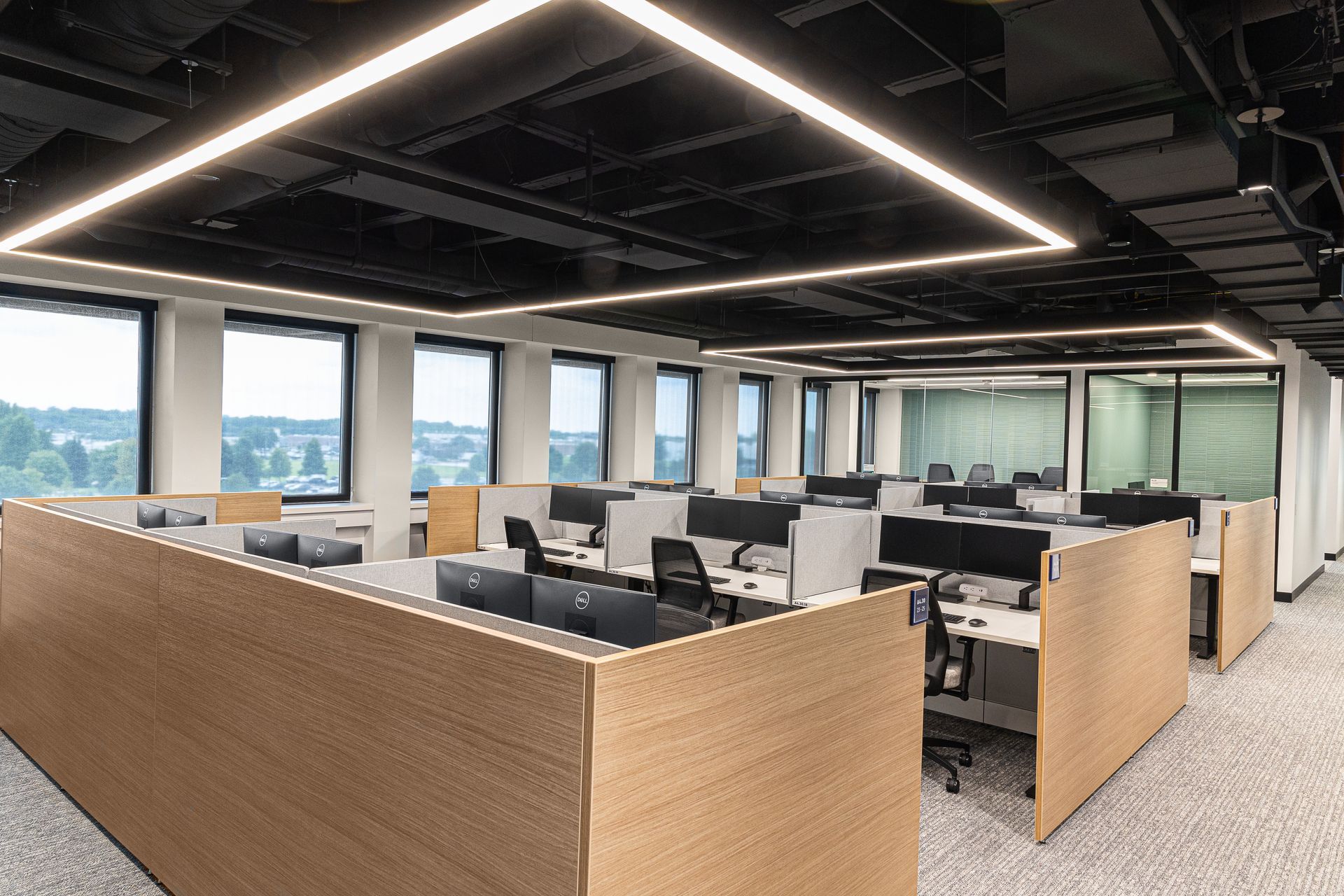
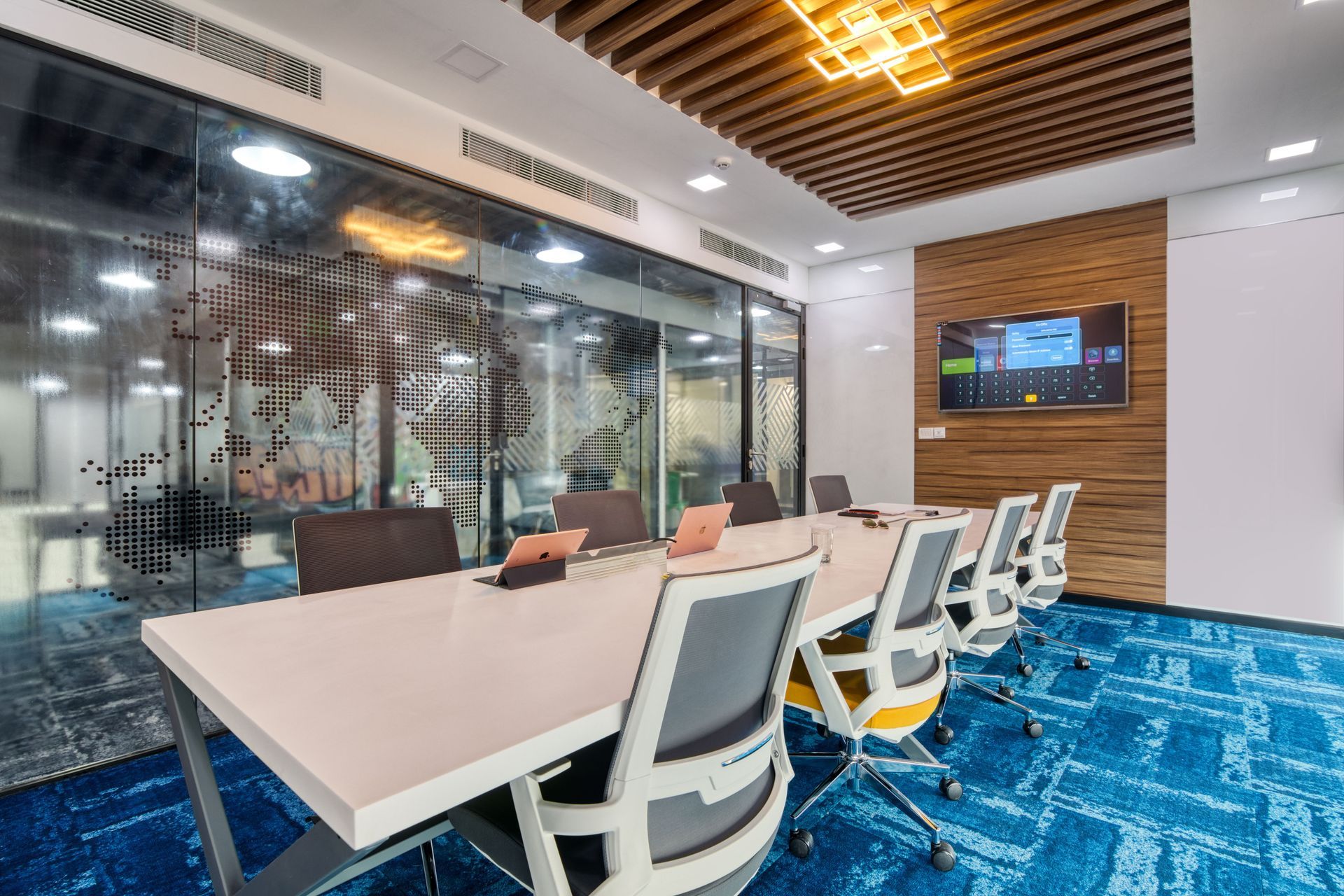
- Workplace: Flexible meeting and project areas can shift between collaboration, presentations, and individual work.
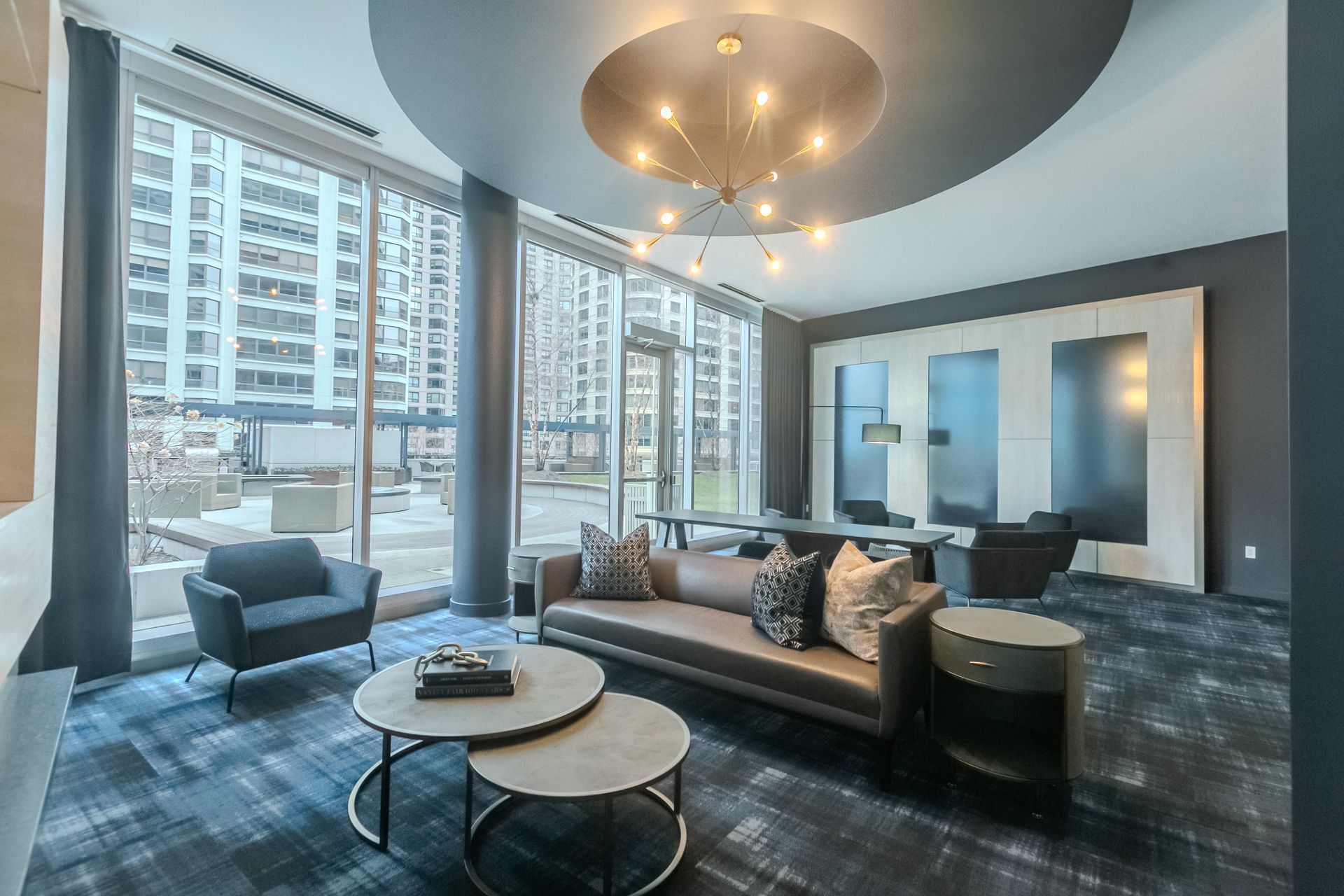
- Multifamily: Convertible lounges and shared spaces can accommodate coworking, social events, or everyday gathering, as seen in KDI’s Chestnut Place amenity refresh.
- Hospitality: Adaptable gathering areas can transition throughout the day as guest needs change.
Planning for flexibility can extend the usefulness of a space and reduce the pressure for frequent renovations. The result is an environment that stays purposeful as needs and priorities evolve.
Wellness Becomes Part of the Everyday Environment
Wellness-focused design is becoming more integrated into the spaces people use every day. Natural light, acoustic comfort, air quality, greenery, and comfortable furnishings can all shape how employees, residents, and guests experience an environment.
This approach extends beyond dedicated fitness rooms or wellness areas. In workplaces, quieter settings can help reduce distractions. Multifamily common areas can incorporate daylight and comfortable places to recharge, while hospitality spaces can use lighting, materials, and sensory details to create a more restorative atmosphere.
Bringing these considerations into the broader design creates a more consistent experience throughout the property. People can feel comfortable, focused, and connected without having to seek out a separate space designed specifically around wellbeing.
Materials Get Warmer, Richer, and More Authentic
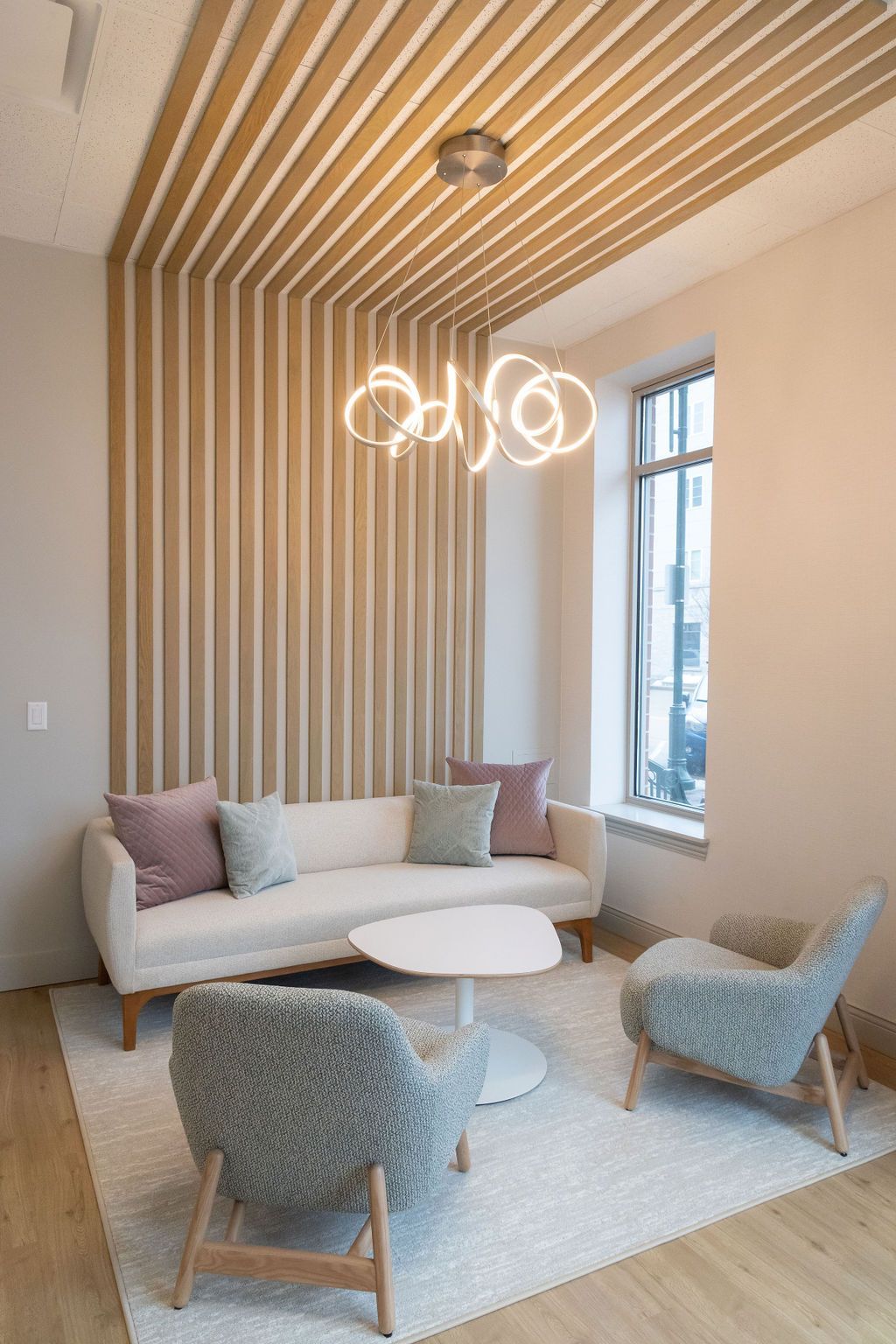
Warmer woods, tactile fabrics, natural textures, and richer color palettes are bringing more character to commercial interiors in 2026. Current interior design color trends complement this shift, with deeper, more expressive tones creating spaces that feel layered and inviting.
Material selection also needs to account for daily use. Durability, maintenance, cleaning, and how finishes age are especially important in high-traffic workplaces, hospitality environments, and multifamily properties. Thoughtful
FF&E choices can carry the same warmth through furniture, fixtures, and other elements that shape the finished space.
The strongest material palettes balance visual character with commercial performance. That approach creates interiors that feel current while retaining their quality, function, and appeal as they age.
Technology Becomes Smarter—and Less Visible
Technology is becoming more integrated into commercial interiors, with systems designed to work in the background rather than compete for attention. The focus is on reducing friction while keeping spaces clean and intuitive.
That can include:
- Integrated charging: Power access built naturally into tables, seating, and shared areas.
- Responsive lighting: Controls that adjust settings based on time, occupancy, or use.
- Simplified room technology: Meeting and presentation systems incorporated with less visible equipment and clutter.
Planning these features early can also account for future upgrades as technology changes. Across workplace, hospitality, and multifamily environments, thoughtful integration keeps the experience convenient without letting screens, wires, controls, and equipment dominate the design.
Local Character and Sense of Place Matter More
Commercial interiors are becoming more connected to the communities and locations around them. Local art, regional materials, architecture, history, and nearby makers can inspire details that create a distinct sense of place.
The approach can look different across sectors. A hotel might draw from the character of its neighborhood, while a multifamily property can incorporate artwork or materials with local connections. Workplaces can reflect both company culture and the community employees experience outside the office.
These choices work best with restraint. A few meaningful references can add personality without turning the space into a theme. The result feels specific to its setting, creating an experience that employees, residents, and guests are more likely to remember.
Designing Beyond the Trend
Trends can spark ideas, but lasting spaces are grounded in the people, purpose, and place behind each project. The best decisions consider how materials will age, how spaces may evolve, and how each element contributes to the overall experience.
Thoughtful
commercial interior design brings those priorities together through a clear process: understand how the space will be used, identify the ideas with lasting value, and translate them into a cohesive environment. This keeps design choices relevant beyond a single year.
KDI creates workplace, hospitality, and multifamily spaces that balance beauty, function, and longevity. Planning a new space or considering a refresh?
Let’s connect
and create an environment designed to work beautifully for years to come.
connect with us
Latest Posts