share this
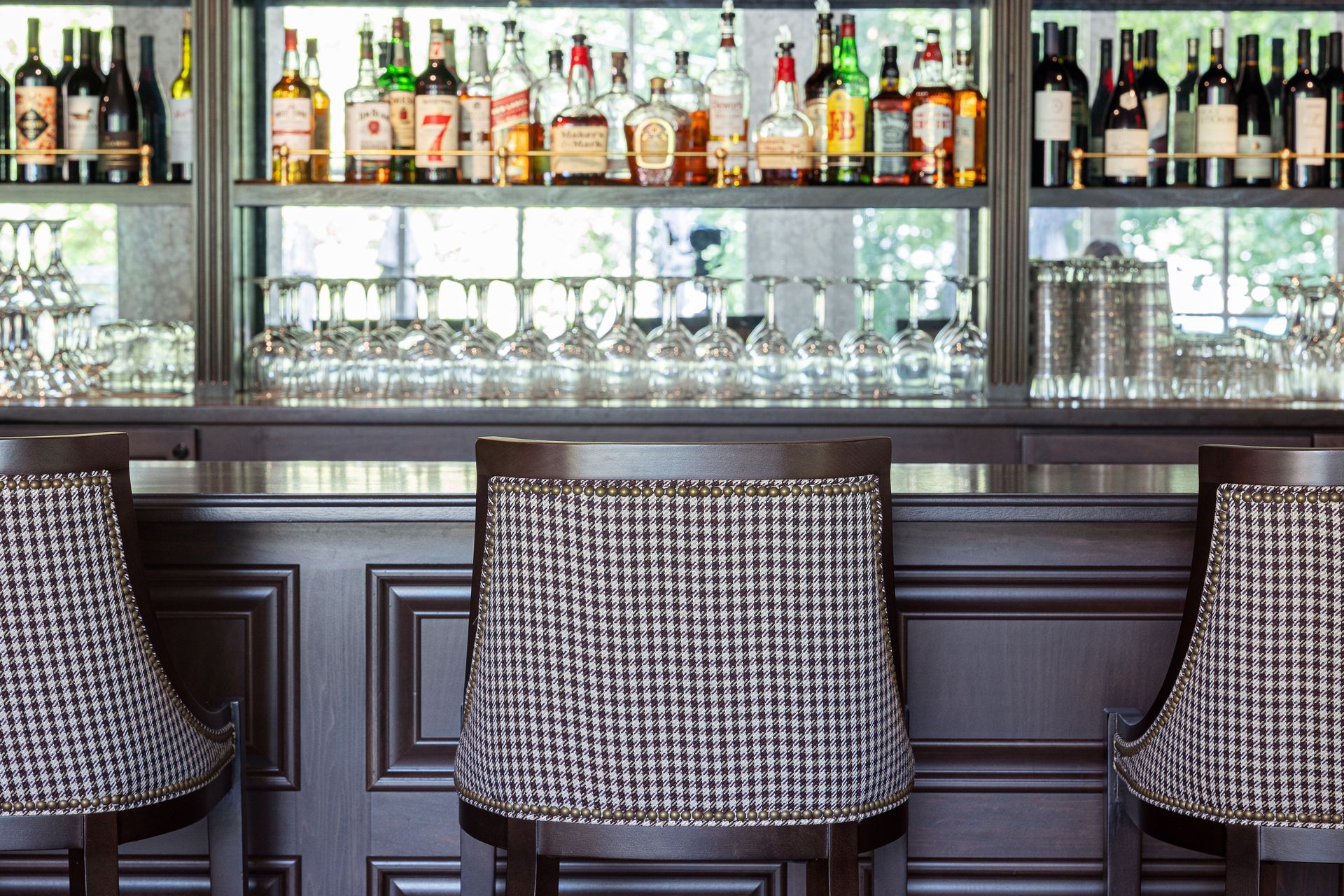
The strongest bar design ideas for boosting atmosphere are clear focal points, efficient layouts, layered lighting, comfortable acoustics, flexible seating, and materials that reinforce the character of the space. Together, these elements shape how guests move, gather, socialize, and experience the room.
For bar and restaurant owners, the goal is to create a space that feels memorable without sacrificing service or comfort. When each design choice works toward the same experience, the result feels more cohesive, distinctive, and inviting from the first drink to the last.
Start With the Experience You Want Guests to Have
Every strong bar concept starts with a clear idea of how the space should feel and how guests should use it. A high-energy gathering spot calls for different choices than an intimate cocktail lounge or a restaurant bar designed for pre-dinner drinks.
That experience should shape decisions around layout, seating, lighting, materials, acoustics, and service flow. Thoughtful
bar and restaurant interior design connects those elements to the concept from the start. When each choice reinforces the same atmosphere, the space feels more cohesive and intentional, while giving guests a clearer sense of what makes the experience distinct.
Make the Bar a True Focal Point
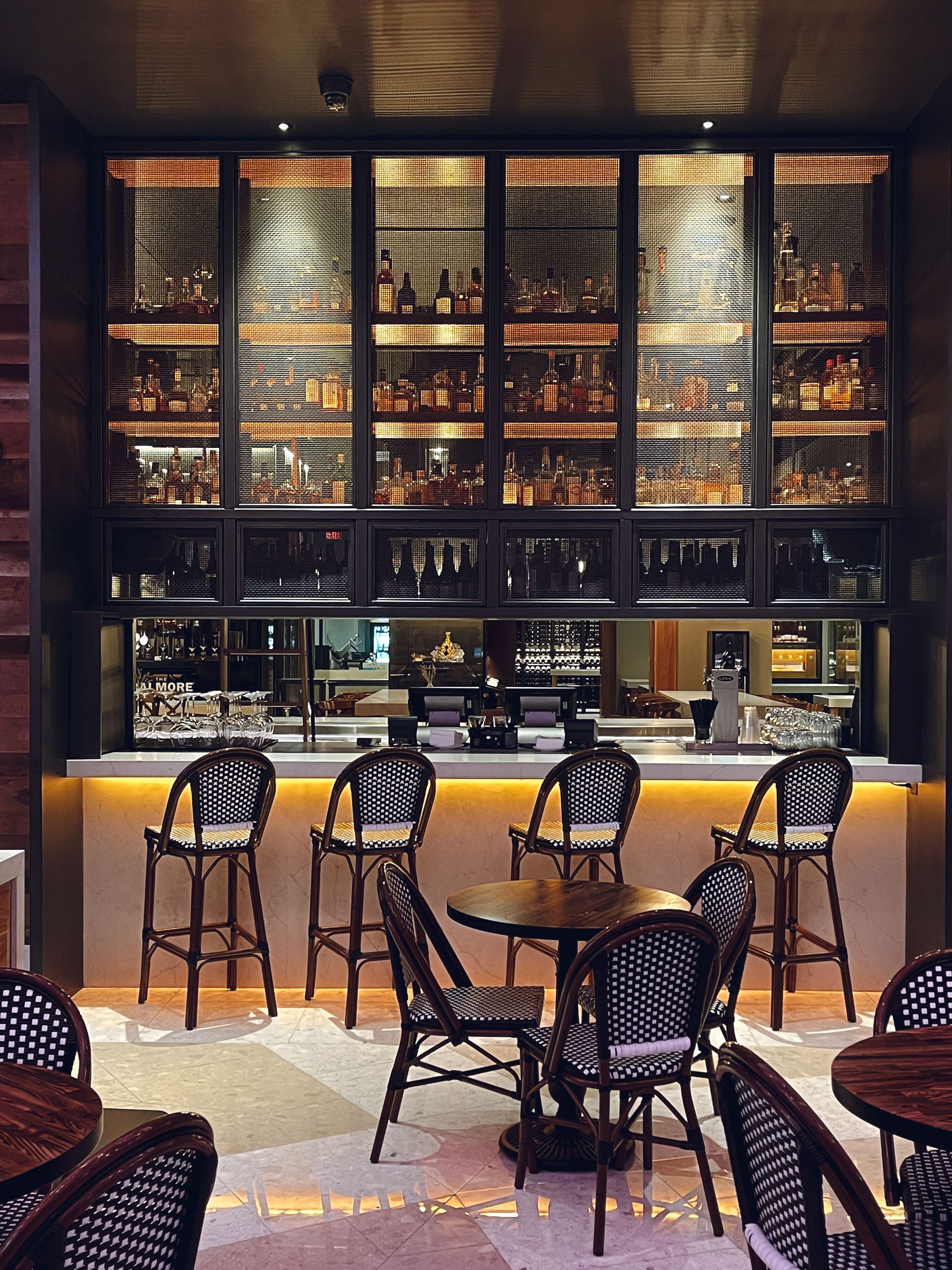
The bar often acts as the visual anchor of the room, so its placement and presence should feel intentional. From the entry, guests should be able to understand where the energy of the space is centered and how to move toward it.
A strong focal point can come from a distinctive bar front, layered back-bar shelving, integrated lighting, material contrast, or a clear relationship to surrounding seating. The goal is to create visual interest without sacrificing function. When the bar feels connected to the rest of the room, it can strengthen the atmosphere, reinforce the concept, and create a more memorable first impression.
Design the Layout for Better Flow, Service, and Social Connection
A successful bar layout should feel easy for guests to navigate and efficient for staff to work within. Poor circulation can create crowded ordering areas, awkward service routes, and seating zones that feel disconnected from the energy of the room.
A stronger layout considers three priorities:
- Guest movement: Keep entries, ordering points, seating, and restrooms easy to reach without creating bottlenecks.
- Service flow: Give bartenders and servers clear paths between workstations, tables, storage, and pickup areas.
- Social connection: Arrange seating so guests can interact comfortably without feeling packed together.
When circulation and seating are planned together, the space feels more relaxed during busy periods and functions more smoothly from open to close.
Create Atmosphere Through Layered Lighting, Acoustics, and Materiality
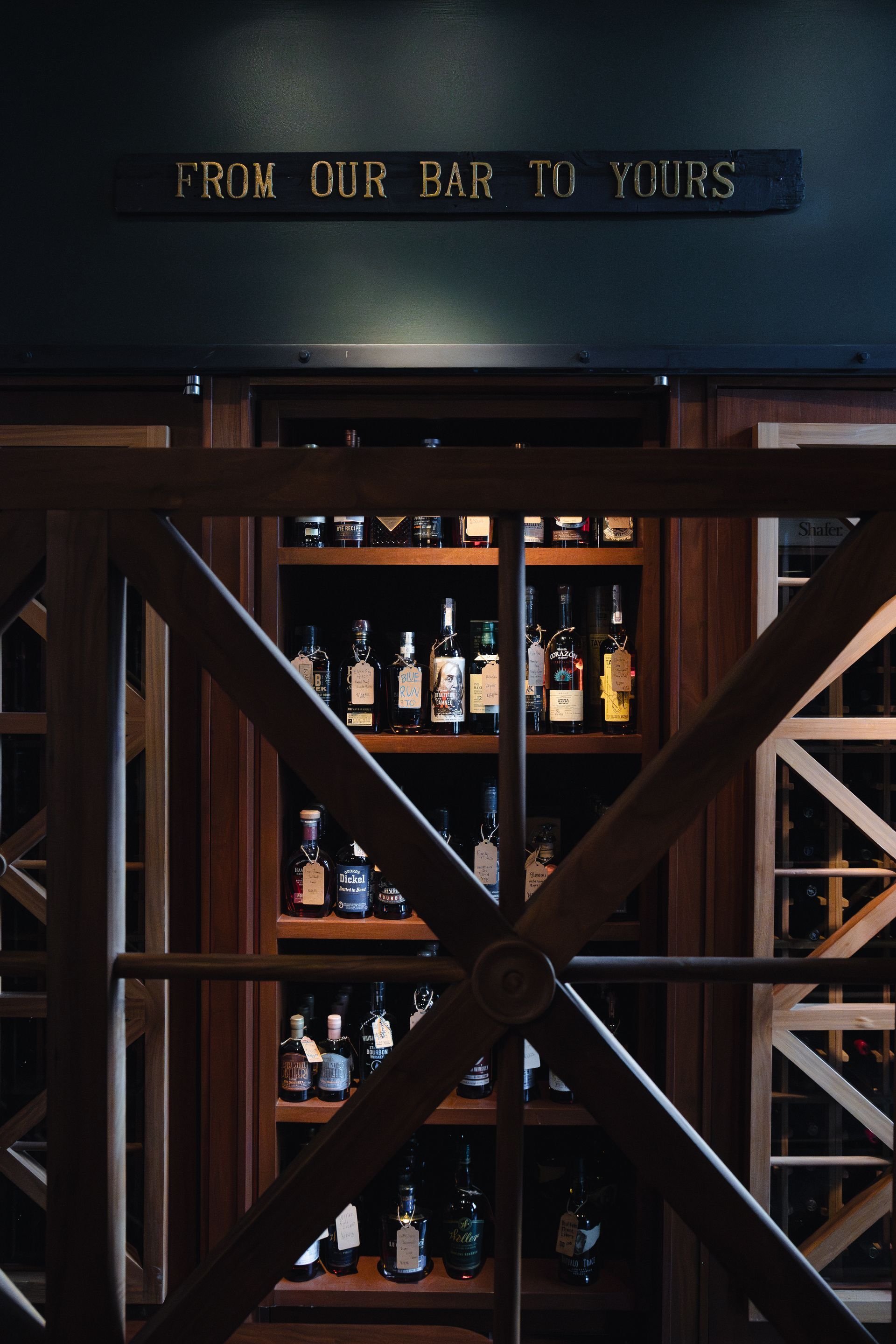
Atmosphere comes from how multiple design elements work together. In thoughtful hospitality interior design, lighting, sound, and materials can shape the mood of a room while also influencing comfort and conversation.
Layered ambient, accent, and task lighting can add depth while keeping menus, tables, and pathways visible. Upholstery, wall treatments, ceiling elements, and furniture placement can help manage excess noise, while wood, stone, metal, tile, and textiles bring texture and character to the space.
KDI’s
Niche hospitality interior design project brought these elements together through updated lighting, banquette seating, custom textiles, and finishes that created a warmer, more intimate environment while addressing acoustic concerns.
Build in Flexible Seating That Encourages Guests to Stay
Seating influences how long guests stay, how groups interact, and how adaptable the room feels from one service period to the next. A thoughtful mix of bar stools, banquettes, lounge seating, and smaller tables can accommodate solo guests, couples, and larger groups without forcing every area to work the same way.
This is where
FF&E in interior design becomes especially important. Furniture should reinforce the concept while also considering comfort, durability, spacing, and daily use. Fixed seating can create intimate zones, while movable pieces add flexibility for events or changing group sizes. The right balance helps guests settle in comfortably and gives operators more options for using the space.
Bar Design Trends: Intimate Zones, Rich Texture, and Experience-Driven Details
Current interior design trends are moving toward spaces that feel layered, tactile, and experience-driven. For bars, that often means creating smaller moments within the larger room rather than relying on one open layout or a single visual statement.
- Intimate zones: Banquettes, lounge groupings, and partial dividers can create spaces that feel more personal.
- Rich texture: Wood, stone, metal, upholstery, and patterned finishes add depth and character.
- Experience-driven details: Custom lighting, artwork, millwork, and distinctive furnishings can reinforce the concept and create memorable moments.
The strongest trends still serve the space itself. When details connect back to the brand, guest behavior, and overall atmosphere, they feel intentional rather than temporary.
Turn Overlooked Space Into a Destination
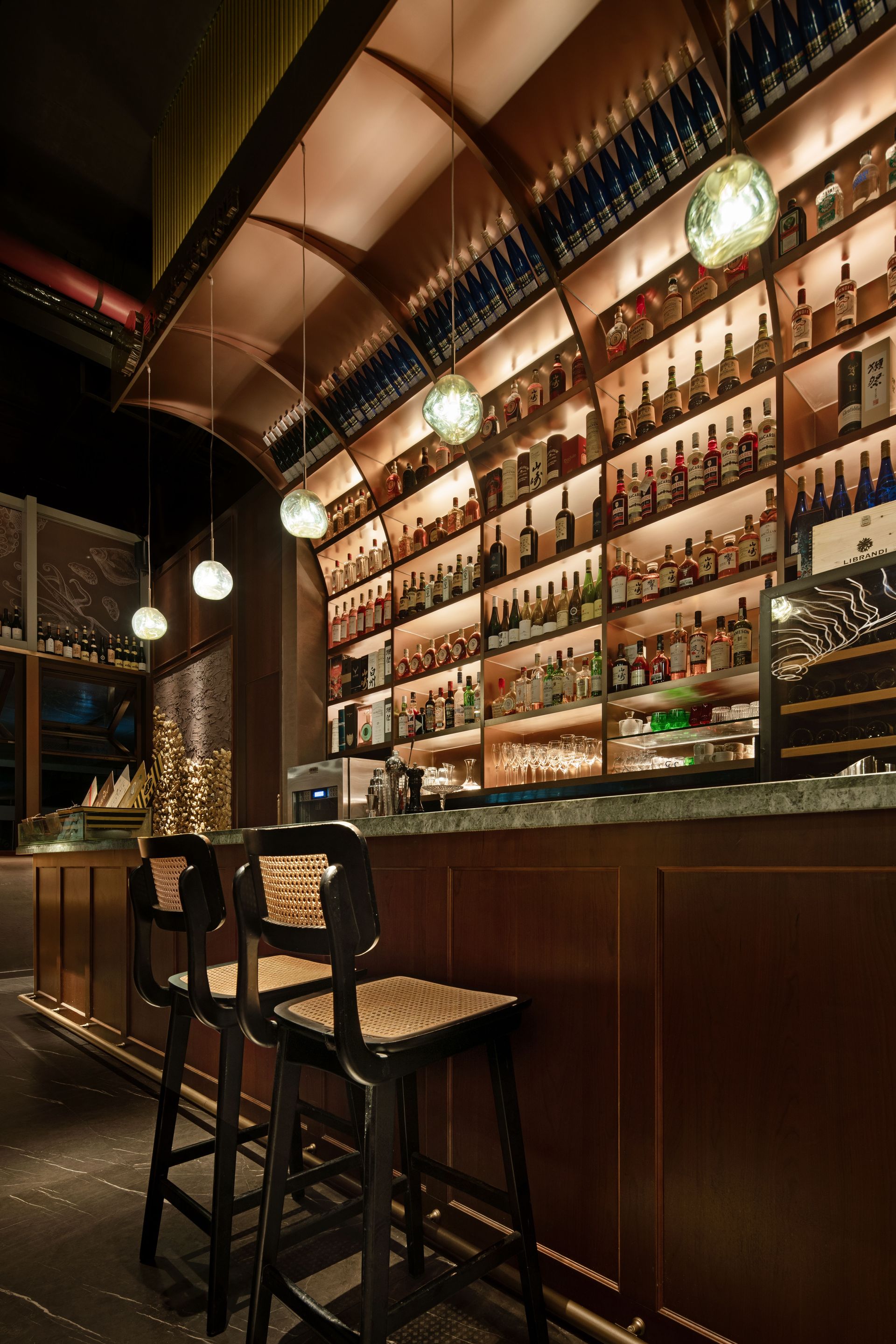
Some of the best opportunities in bar interior design come from spaces that are already there but underused. Alcoves, pass-through rooms, oversized circulation areas, and forgotten corners can become valuable guest destinations with the right mix of seating, lighting, and identity.
At Dunham Woods Riding Club, KDI transformed the overlooked Percheron Room into a gathering space with a custom bar, banquette seating, lounge furniture, and dining areas. The result turned a former pass-through area into a place designed for connection, dining, and longer stays. Thoughtful planning can help existing square footage work harder while adding another memorable layer to the overall experience.
Create a Bar That Feels Distinctly Yours
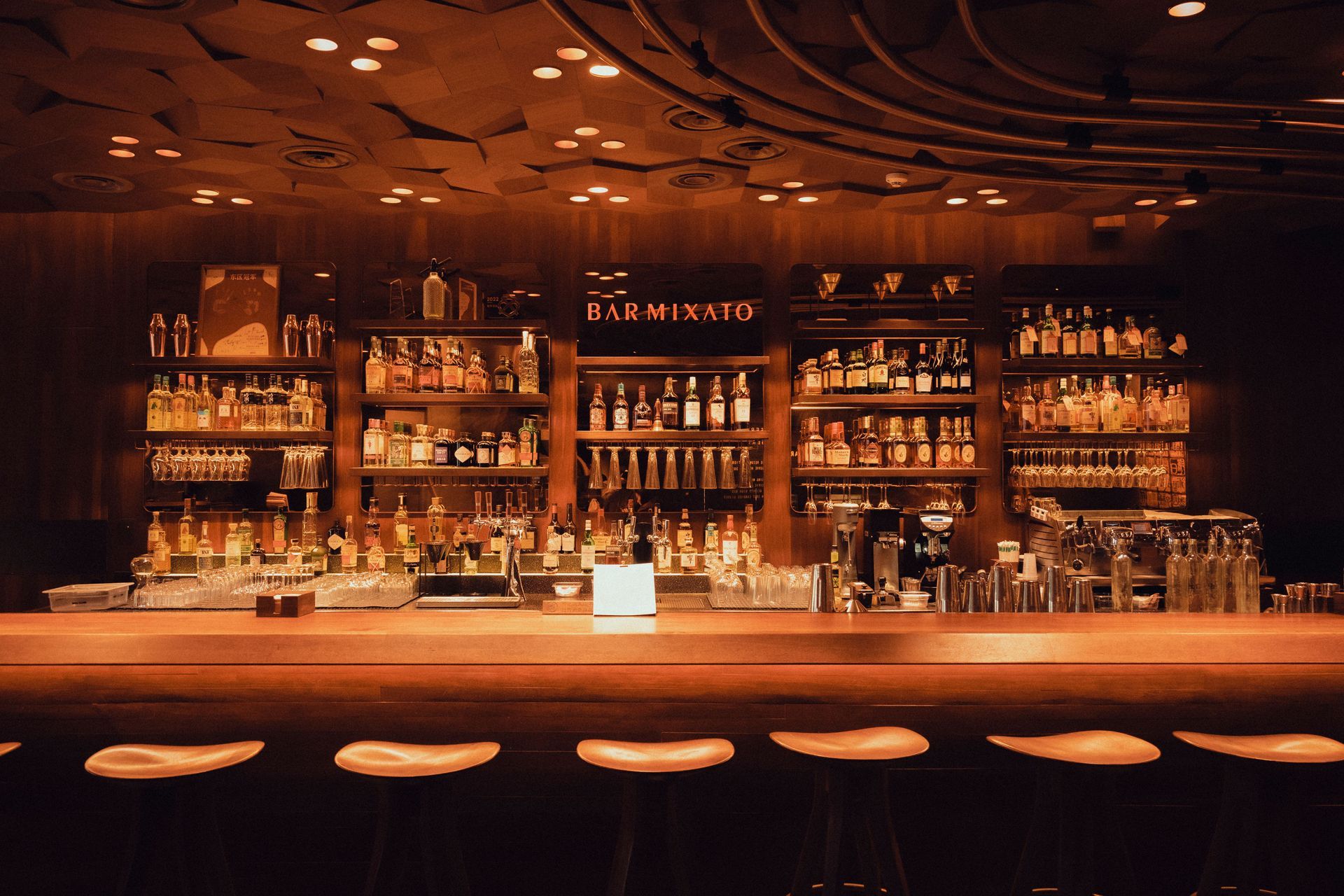
The strongest hospitality spaces feel connected to the brand, the audience, and the experience guests are meant to have. Through thoughtful commercial interior design, details like layout, lighting, seating, materials, and custom features can work together to create a space that feels specific rather than interchangeable.
KDI brings those elements together with a clear focus on function, atmosphere, and identity. The result is a bar that feels cohesive, memorable, and built around how people actually use it. If your space is ready for a more intentional approach,
connect with KDI to start the conversation.
connect with us
Latest Posts