share this
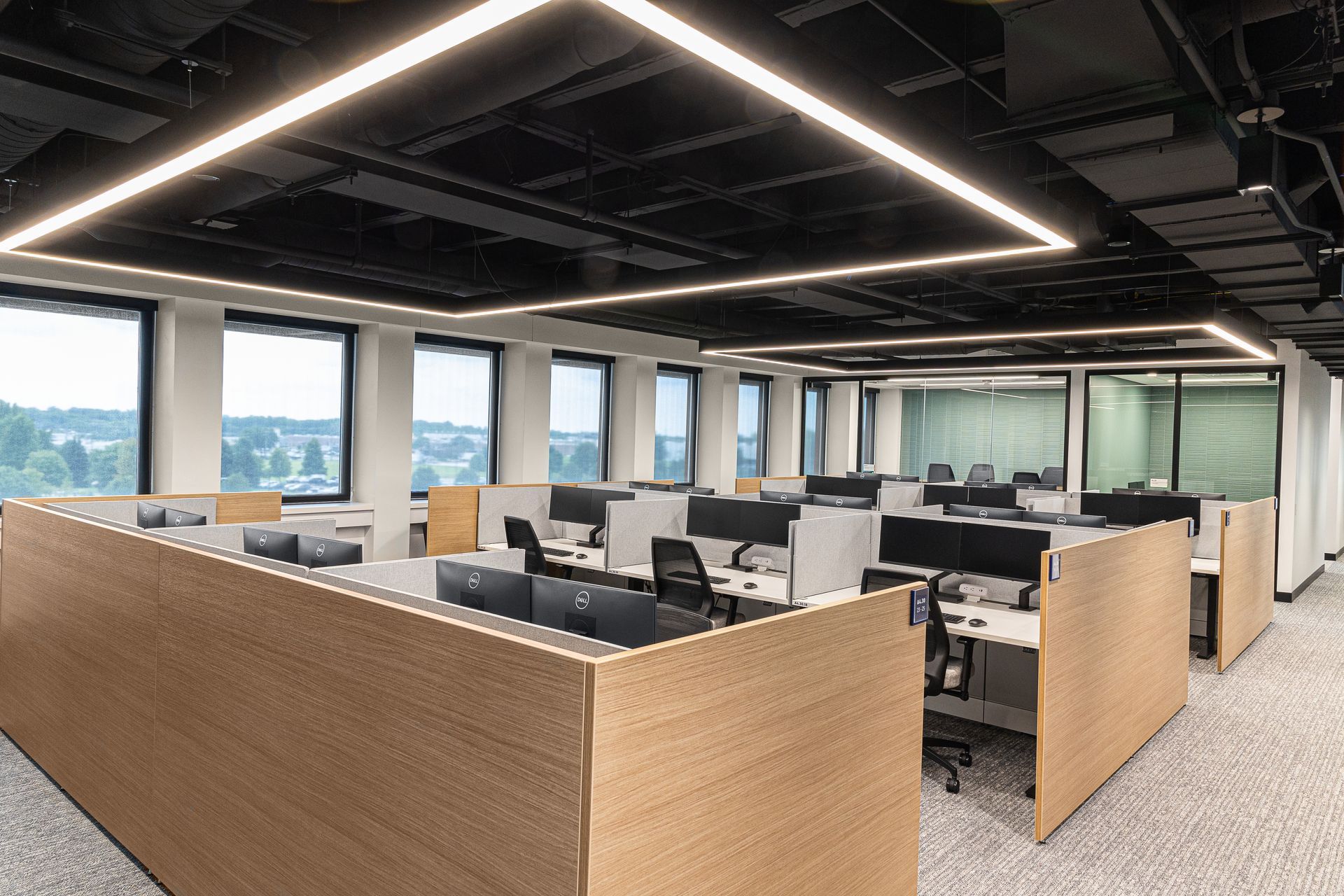
Office design impacts productivity by shaping how easily employees can focus, collaborate, stay comfortable, and move between different types of work. Acoustics, lighting, layout, privacy, ergonomics, and access to the right spaces can all influence concentration and performance.
The most effective workplaces account for these factors together. When the environment reflects how a team actually works, employees face fewer distractions, have more choice throughout the day, and can work more effectively.
The Connection Between Office Design and Productivity
A workplace can shape concentration, comfort, collaboration, and how employees feel throughout the day. When the space aligns with those needs, everyday tasks can feel more intuitive and productive.
Employee preferences reinforce that connection. According to
Gensler’s 2025 Global Workplace Survey, only 14% of employees prefer a traditional corporate workplace experience. The research also found that 40% of global workers value natural light and operable windows, while 36% favor spaces that incorporate greenery.
These findings point to a clear priority: productive workplaces should be shaped around the people using them and the conditions that help them perform at their best.
Designing for Focus and Fewer Distractions
Noise, foot traffic, nearby conversations, and constant activity can interrupt concentration. Thoughtful space planning can reduce these distractions by separating focused work from higher-energy areas and considering how sound travels throughout the workplace.
A few design decisions can have an outsized impact:
- Create quiet zones: Place focused work areas away from collaboration hubs, break areas, and busy circulation paths.
- Plan for acoustics: Use sound-absorbing materials, partitions, and strategic furniture placement to limit noise between work areas.
- Include private spaces: Phone rooms and enclosed spaces create places for calls, confidential conversations, or tasks that benefit from deeper concentration.
Reducing everyday interruptions helps employees stay focused without having to search for a better place to work.
Creating the Right Balance of Focus and Collaboration
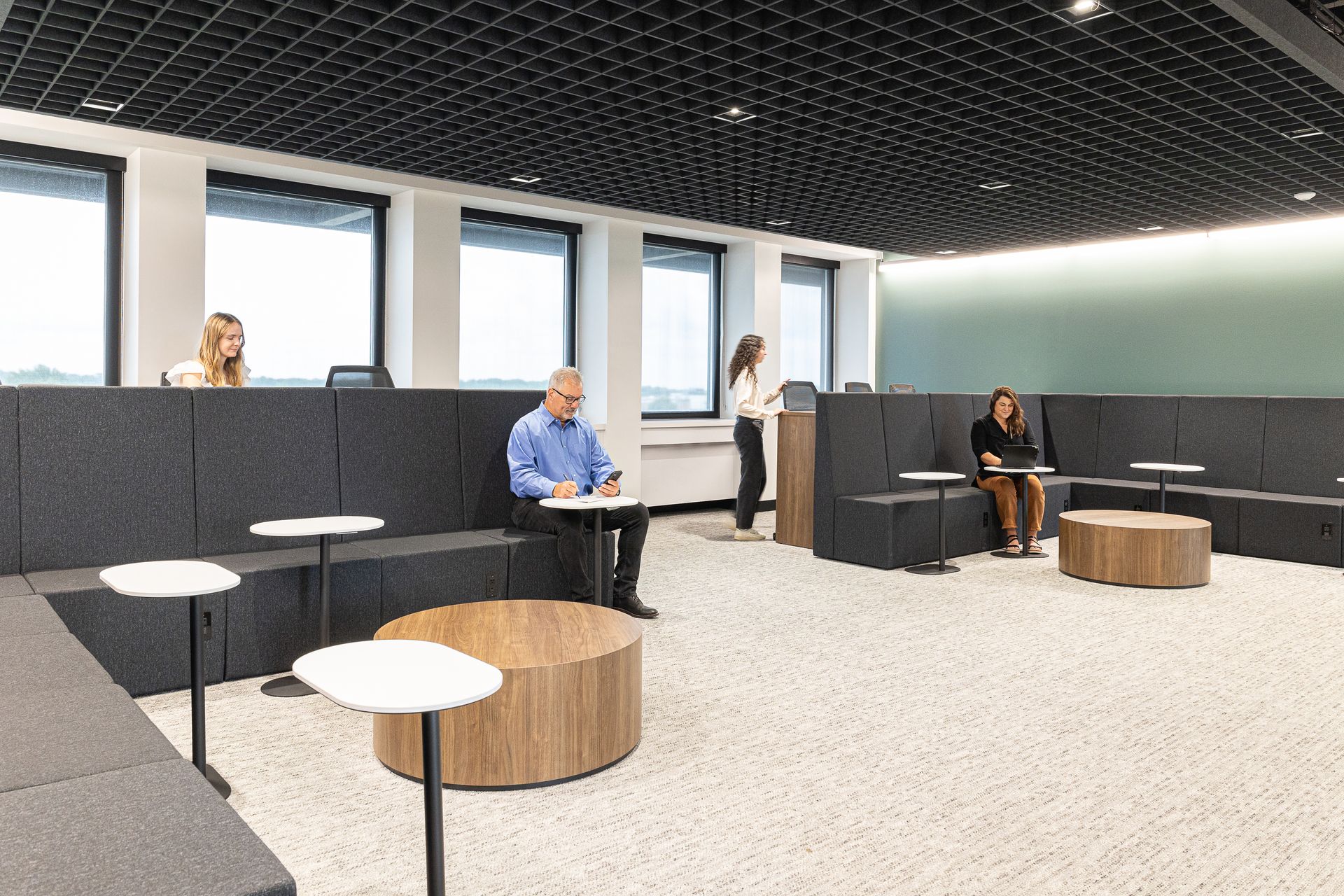
Teams need places to exchange ideas without disrupting employees working nearby. A well-planned workplace creates clear distinctions between active and quiet areas, giving each type of work an appropriate setting.
Collaborative zones can include meeting rooms, shared tables, informal seating, and project spaces positioned away from areas intended for concentration. Focus areas benefit from greater privacy, acoustic separation, and less foot traffic. The transition between these spaces matters too. Thoughtful placement keeps conversations and movement from spilling into quieter zones.
This balance helps employees shift between independent tasks and teamwork throughout the day. Instead of expecting one setting to serve every purpose, the workplace becomes a collection of spaces designed for specific ways of working.
Supporting Comfort, Wellbeing, and Cognitive Performance
Physical comfort can influence how well employees concentrate and stay engaged throughout the day. When discomfort becomes a distraction, even routine tasks can take more effort. A comfortable workplace considers the details employees experience throughout the day:
- Ergonomics: Adjustable seating and workstations accommodate different bodies and working preferences.
- Temperature and air quality: Consistent conditions can reduce physical discomfort during longer work periods.
- Acoustics: Managing background noise creates a calmer setting for concentration.
- Workplace amenities: Thoughtful spaces for breaks, movement, and connection can contribute to employee wellbeing.
Together, these elements create an environment where employees can settle into their work, maintain focus, and feel comfortable throughout the day.
Giving Employees Choice Through Flexible Workspaces
Different tasks call for different surroundings. An employee may need a quiet setting for concentrated work in the morning, a meeting room for a client call, and a shared space for team problem-solving later in the day. Flexible workplaces account for these shifts.
That flexibility can come from a thoughtful mix of individual workstations, private rooms, collaborative areas, and informal spaces. Employees can select a setting based on the task instead of trying to complete every activity from the same desk.
Choice also needs structure. Clear space functions, convenient access, and enough capacity during busy periods help flexibility work in practice. The result is a workplace that adapts to changing tasks while keeping the workday intuitive.
Using Light, Nature, and the Environment to Improve Performance
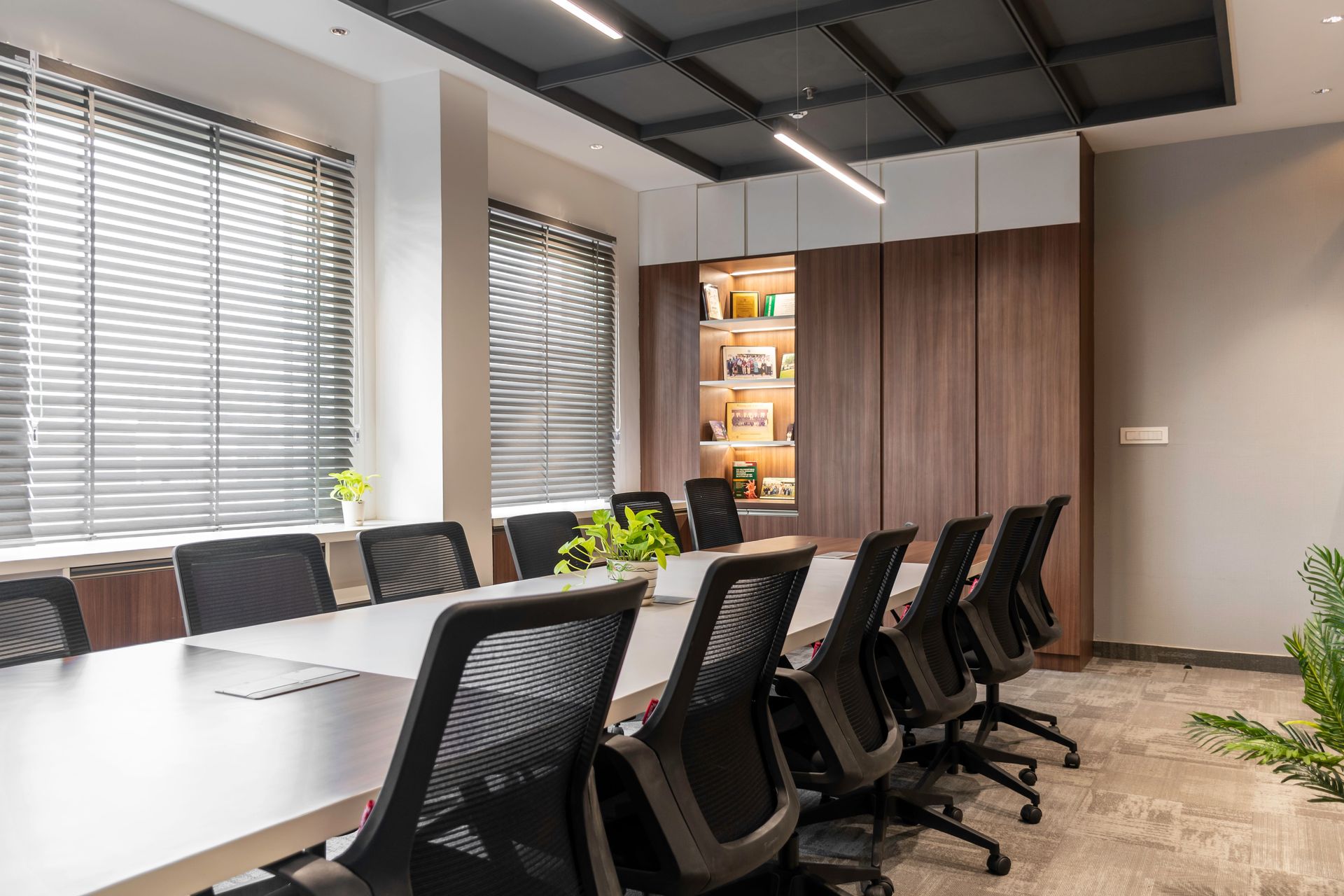
Natural light, greenery, materials, and color can shape how a workplace feels and functions. Access to daylight can create a brighter, more comfortable setting, while plants and natural elements can bring warmth to work areas.
Research also connects greenery with workplace performance. A
University of Exeter study
found that adding plants to previously sparse office environments increased productivity by 15%. The findings reinforce the value of considering the full environment rather than treating natural elements as decoration.
Color plays a role as well. Thoughtful palettes, including ideas influenced by current
interior design color trends, can complement lighting, materials, and greenery to create spaces that feel cohesive and intentional.
Designing Around How Your Team Actually Works
A productive workplace begins with understanding how people spend their day. Team size, meeting habits, focused tasks, client interactions, and hybrid schedules all influence which spaces will be most useful.
A practical design process can focus on three steps:
- Understand: Identify daily work patterns, common distractions, and space constraints.
- Plan: Determine the right mix of focused, collaborative, private, and shared settings.
- Design: Bring those spaces together through layout, furnishings, materials, and a clear connection between workplace design and company culture.
Starting with real work patterns keeps design decisions grounded in purpose. The finished workplace can then reflect how the organization operates while creating a more intuitive experience for the people using it every day.
Creating a Workplace That Works Harder for Your People
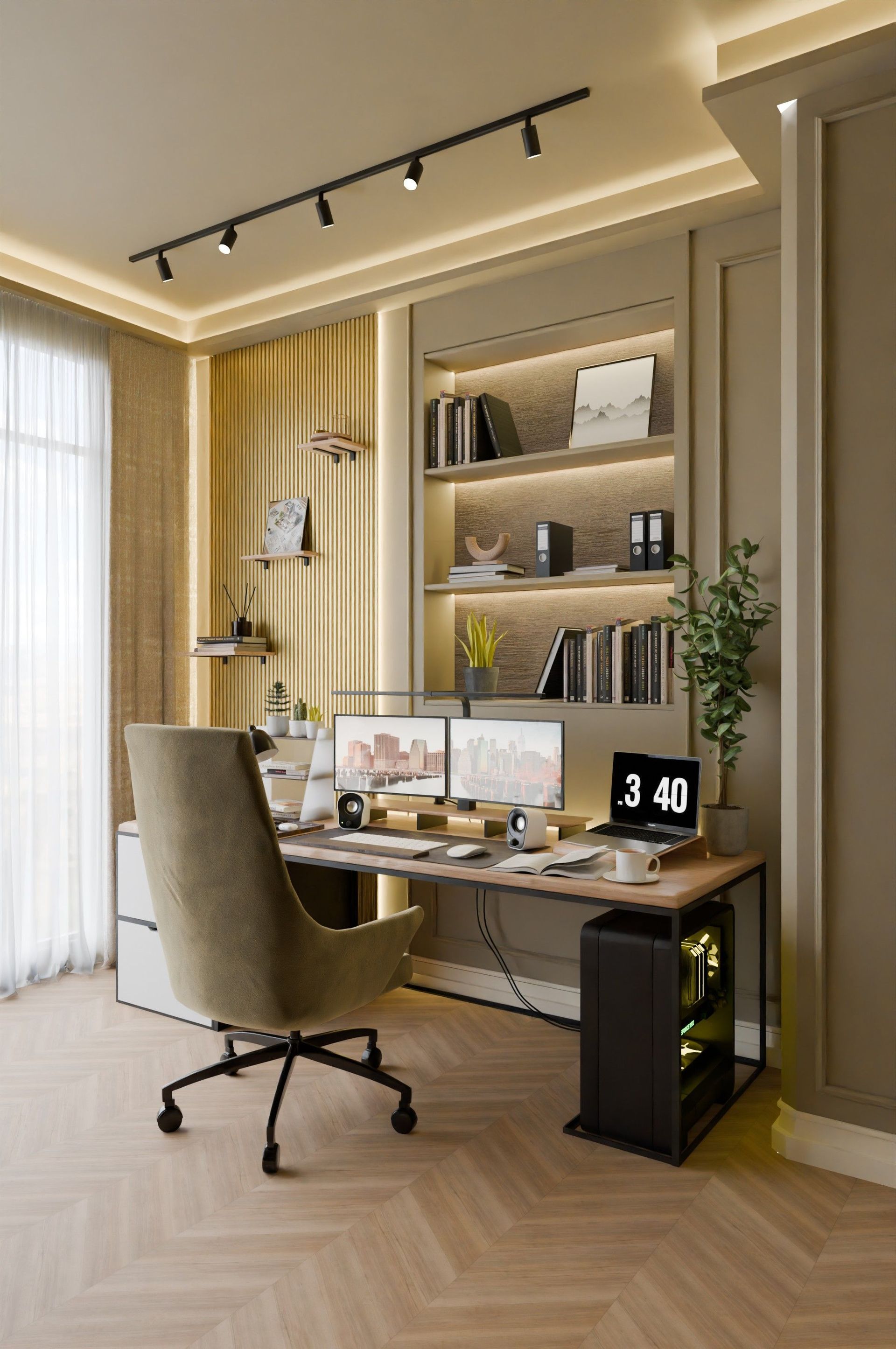
A productive workplace brings focus, collaboration, comfort, and flexibility together in a way that feels natural for the people using it. When each space has a clear purpose, employees can spend less time working around their environment and more time focused on the task at hand.
Thoughtful
office interior design can turn those priorities into a workplace that reflects the team, strengthens the employee experience, and creates room for the organization to grow.
KDI designs and furnishes commercial spaces around the people who use them every day. From space planning and furnishings to the details that shape the final experience, our team keeps the process intentional and seamless. Ready to rethink your workplace?
Let’s connect.
connect with us
Latest Posts