Rethinking Workplace Amenities
February 17, 2026

share this

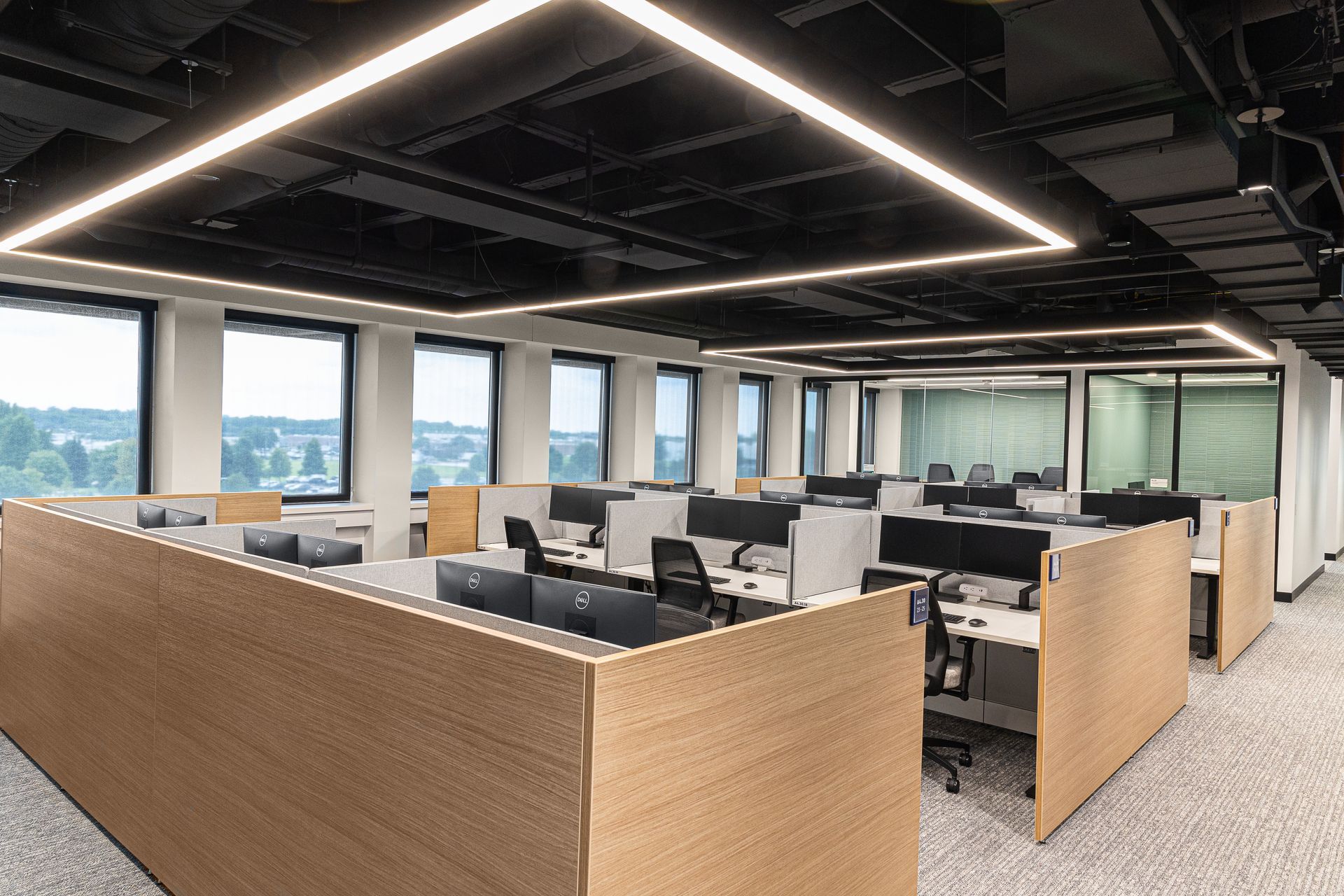
Office interior with people working at desks, casual seating, and large windows.

933 W. Van Buren

For years, workplace amenities were treated as a checklist.


Coffee bar. Ping pong table. Fitness room. Maybe a rooftop if the budget allowed.


At one point, these features felt progressive. Today, many of them sit underused, misunderstood, or worse, resented. Not because amenities don’t matter, but because the definition of an amenity has changed.


Modern workplaces are rethinking what amenities actually need to do.

Amenities Are No Longer About Perks

The biggest shift in workplace design is this: amenities are no longer about impressing people. They’re about supporting how people work.


Employees are not choosing where to work based on novelty. They’re choosing environments that make their day easier, more comfortable, and more productive.


An amenity that looks great but doesn’t function well quickly becomes wasted square footage. An amenity that quietly solves a daily friction point becomes essential.


Today’s most effective workplace amenities are rooted in usability, not flash.

The Amenity Experience Starts With Purpose

Before designing any amenity space, there’s one critical question to answer: what problem is this space solving?


Is it giving employees a place to decompress between meetings? Supporting focused work away from desks? Encouraging informal collaboration? Creating a comfortable setting for hybrid meetings?


When amenities are designed with a clear purpose, they get used. When they’re added simply because “other offices have them,” they often don’t.


Purpose-driven amenities also scale better. They evolve with the organization rather than becoming dated as trends shift.

Micro Amenities Matter More Than Big Moves

One of the most common misconceptions is that impactful amenities have to be large or expensive.


In reality, smaller, distributed amenities often perform better than centralized showpieces.


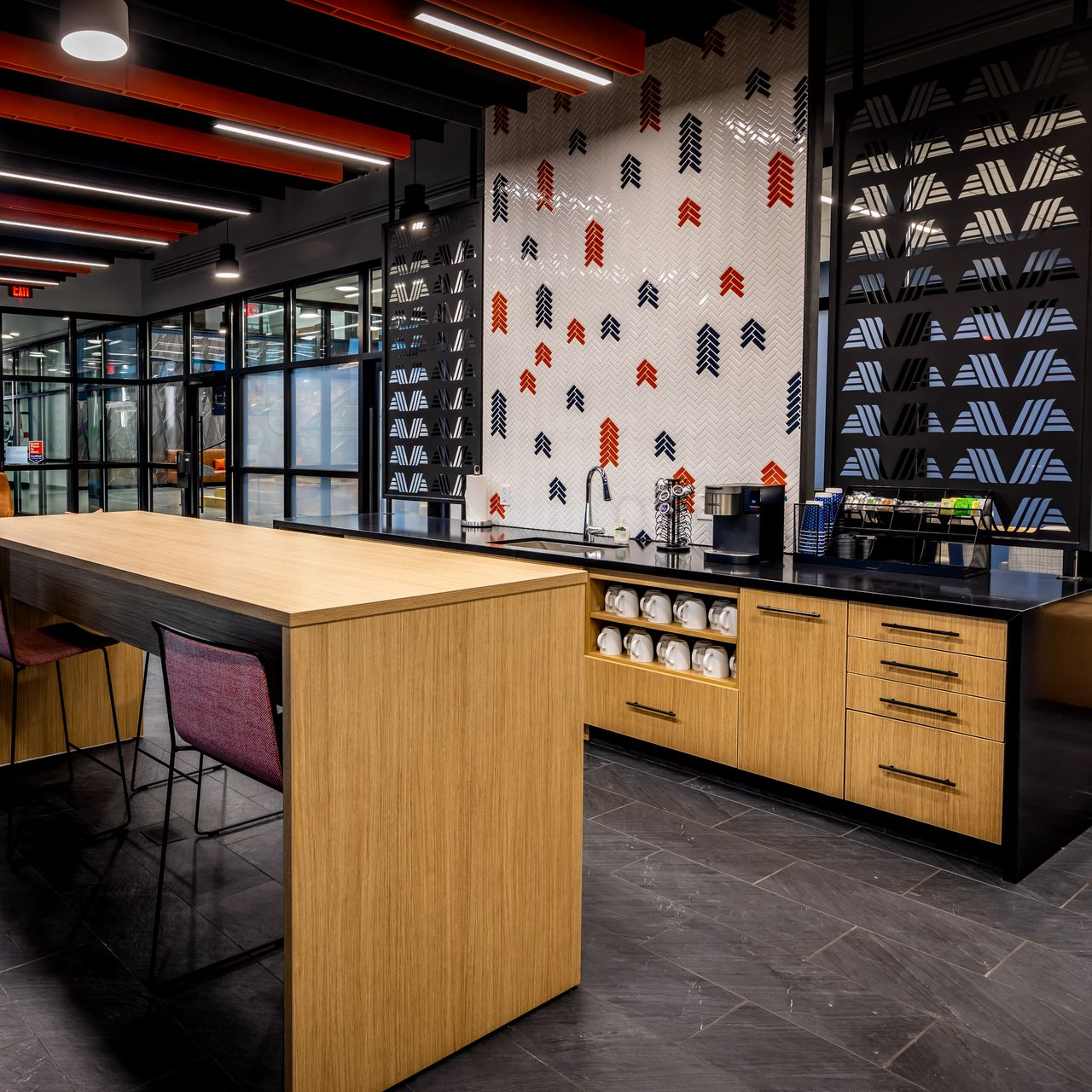
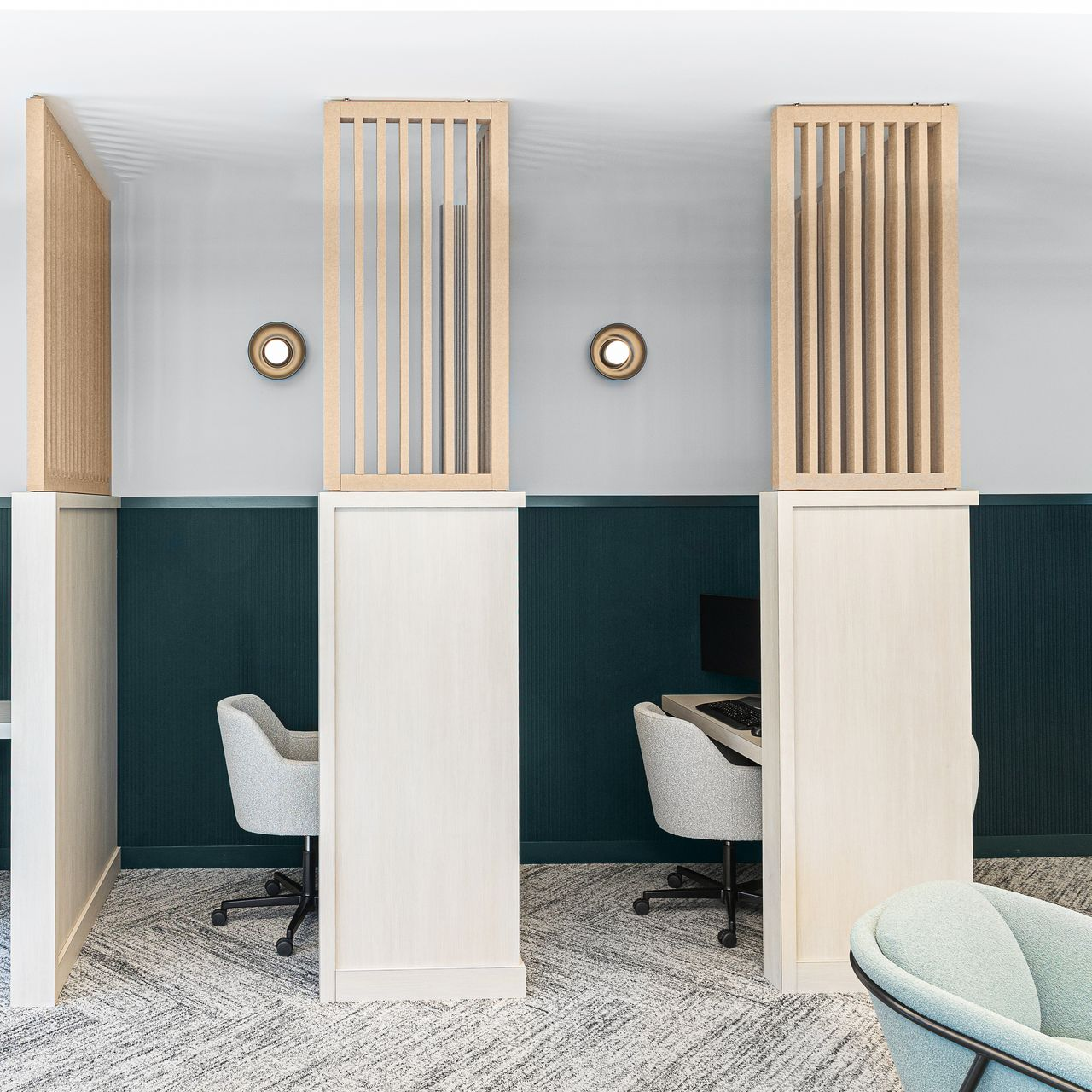
Phone rooms that actually provide acoustic privacy. Touchdown spaces near team neighborhoods. Comfortable soft seating where quick conversations can happen without booking a room. Well-designed café areas that support both social interaction and solo work.


These moments add up. They reduce friction, improve flow, and give employees choice throughout the day.


Big amenity spaces can still play an important role, but they should complement—not replace—everyday functionality.

Flexibility Is the New Amenity

Flexibility has quietly become one of the most valuable workplace amenities.


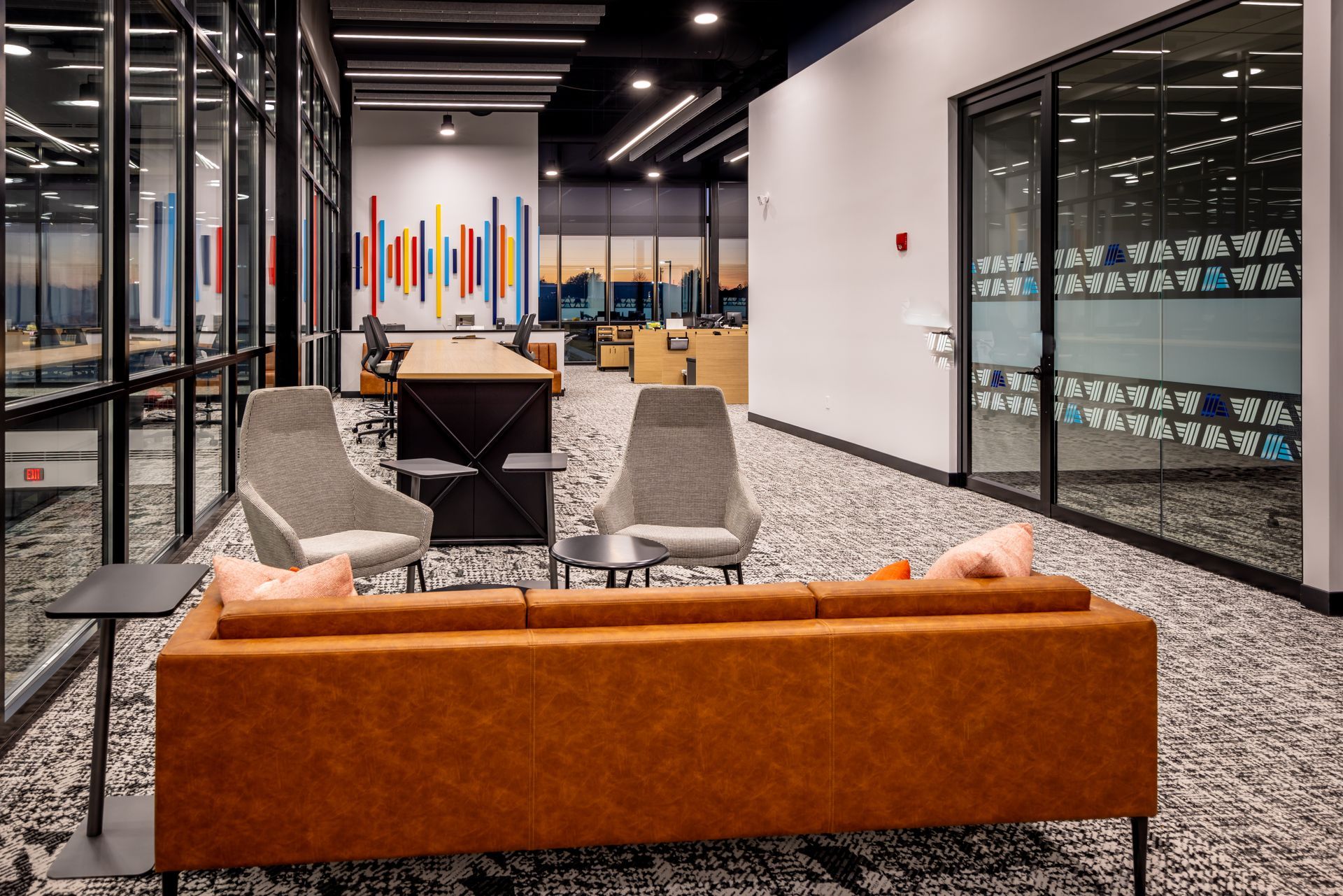
Spaces that can support multiple uses throughout the day deliver significantly more value than single-purpose rooms. A lounge that works for informal meetings in the morning, heads-down work midday, and social gatherings later on will always outperform a room designed for only one scenario.


Furniture selection plays a major role here. Modular pieces, movable tables, and power-integrated seating allow spaces to adapt without constant reconfiguration or management intervention.


When employees feel empowered to shape their environment, the space becomes more personal and more useful.

Amenities Should Support Hybrid Work, Not Compete With Home

One of the biggest challenges offices face today is justifying the commute.


That doesn’t mean trying to replicate home. It means offering what home cannot.


Well-designed amenities support connection, collaboration, and experiences that are difficult to achieve remotely. They create opportunities for meaningful interaction rather than forced presence.


This might look like technology-enabled collaboration zones, hospitality-inspired cafés, or flexible meeting spaces that make hybrid participation seamless rather than awkward.


The goal is not to lure people in with perks. It’s to give them a reason to stay once they’re there.

The Hidden Role of Operations and Maintenance

Amenity design doesn’t end on move-in day.


Spaces that rely heavily on programming, specialized equipment, or constant upkeep can quickly become burdensome if operational realities aren’t considered early. The most successful amenities are those that are easy to maintain, intuitive to use, and aligned with how the facility team actually operates.


Designers, facilities teams, and leadership all play a role in ensuring amenity spaces remain assets rather than liabilities.

Designing Amenities That Actually Matter

Rethinking workplace amenities isn’t about removing fun or personality from the office. It’s about aligning design with real needs.


When amenity spaces are intentional, flexible, and grounded in how people work, they stop being extras. They become infrastructure.


And that’s when they deliver real value.


Awesome. Interiors. Start. Here. 

New Title

connect with us

Latest Posts

Home office with white desk, dual monitors, gray cabinetry, and white ergonomic chair.
February 17, 2026
Your leasing office is more than a check-in point—it’s your sales engine. Here’s how smart design turns tours into leases by shaping trust, comfort, and confidence.
Restaurant interior with checkered floor, bar, and tables with chairs. Artwork on the wall.
January 7, 2026
Avoid costly commercial design mistakes before your next project. Learn the five most common layout, lighting and furniture errors and how to fix them for function, flow and ROI.
Modern lounge with seating, coffee tables, large windows, and a chandelier.
By Ginny Rosso December 4, 2025
Pretty spaces don’t drive leasing - useful ones do. Here’s how to design amenity spaces that people actually use, enjoy and talk about.