share this
Moment Chicago
In the world of multi-family development, amenities are no longer extras - they’re expectations. But here’s the problem: most amenity spaces look great in renderings and brochures, yet sit empty once residents move in. They’re built for marketing, not for real life.
If you're investing in amenities that are supposed to drive resident retention, build community, and elevate your brand, they must deliver more than visual appeal. They need to function. They need a purpose. They need to connect with the way people actually live, work, and socialize today.
Let’s explore how to create multi-family amenities that work, not just look good.
The Big Question: How to Design Amenities Residents Actually Use
Most developers and property managers approach amenity spaces with a long checklist: coworking lounge, fitness center, rooftop, game room, entertainment kitchen, pet spa. The problem isn’t the list, it’s the lack of amenity design strategy behind it.
To design amenity spaces that stay active long after lease-up, you need to understand who your residents are, how they spend their time, and what will bring them out of their units.
Start With Purpose Before Furniture
Every amenity should answer at least one of these resident needs:
- Connection
- Convenience
- Productivity
- Wellness
- Escape
If it doesn’t support one of these outcomes, it won’t serve a long-term purpose - and it will fail.
Mistake #1: Designing for Show, Not Real Life
It’s easy to be seduced by aesthetics - Pinterest lounges, exposed brick, neon signs, velvet bar stools. But when amenities focus only on looks, they end up like that beautiful restaurant with terrible acoustics. You visit once, never return.
Design Shift: Form Follows Function
A strong amenity design strategy is always built on a deep understanding of how people move, behave, and interact in space. Start with layout and flow, then layer in brand and style.
Mistake #2: Ignoring Hybrid Work Needs
Let’s be real, co-work amenity spaces are no longer a "nice touch," they're an expectation. Remote work is here to stay, and building lounges with couches and bar tables doesn’t count as thoughtful coworking design.
Design Shift: Provide Real Work Functionality
Residents need:
- Power at every seat
- Quiet zones for focus
- Private rooms for video calls
- Ergonomic seating
- Smart acoustic planning
- Blended lounge + work zones
Amenity spaces that support productivity increase time spent on property—which boosts resident experience and retention.
Mistake #3: Treating Fitness Like a Box to Check
Most fitness rooms in multi-family buildings haven’t evolved since 2002: a few treadmills and a mirror wall. But fitness and wellness amenities are now experience-driven and lifestyle-based.
Design Shift: Think Wellness Over Workout
Today’s residents want:
- Mind-body zones for yoga and mobility
- Strength training space with turf or functional rigs
- Recovery tools like foam rollers and stretching stations
- Group class opportunities
- Indoor/outdoor flow
- Integrated technology
Wellness isn’t a fad, it’s a retention strategy.
Mistake #4: Underestimating the Power of Hospitality Design
Your building competes with more than new developments, it competes with everyday destinations your residents love: boutique gyms, inspiring coffee shops, social clubs, and hotel lounges.
Design Shift: Bring Hospitality Home
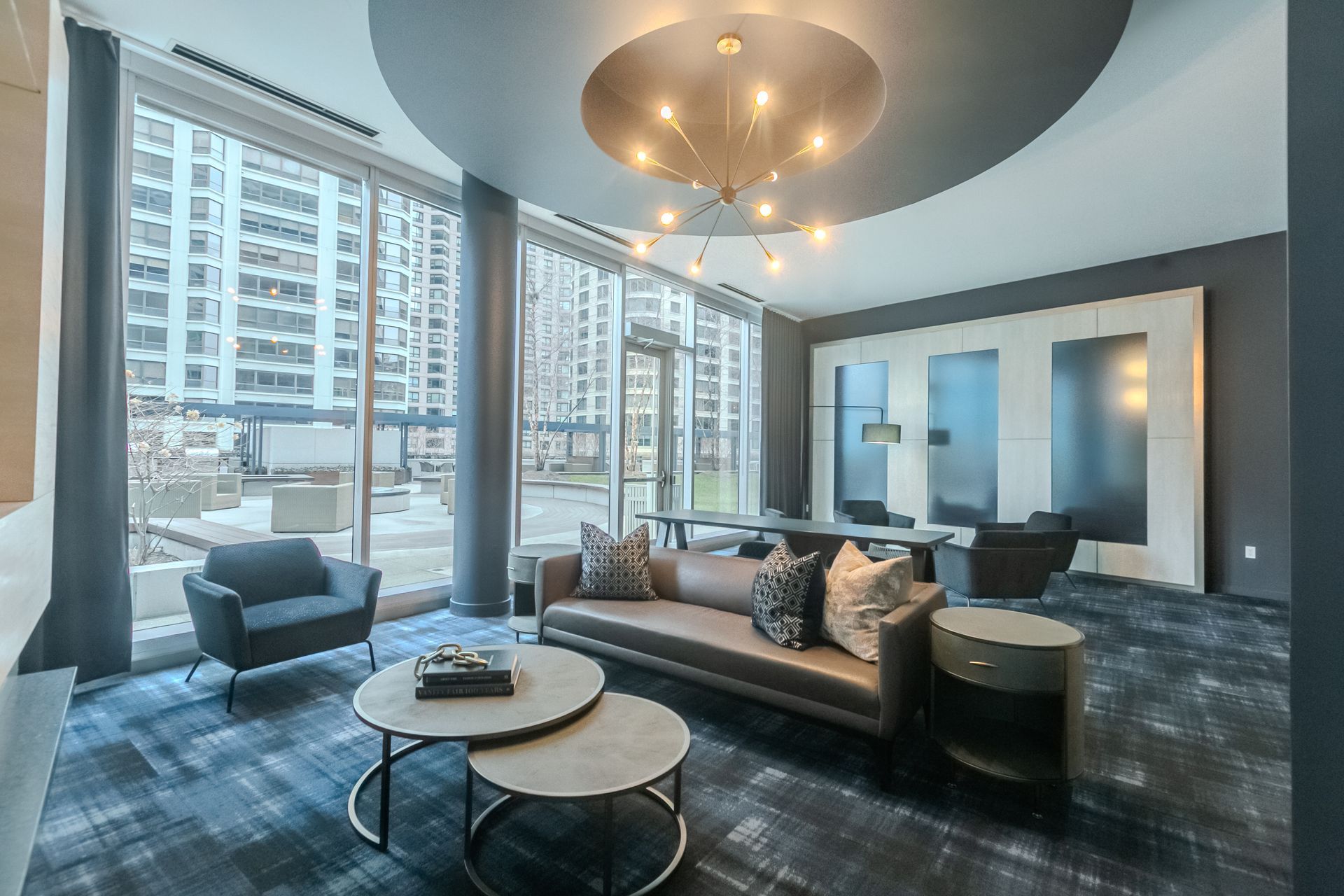
Amenity spaces must feel curated, layered, and elevated:
- Mix textures and lighting
- Incorporate biophilic elements
- Use conversational furniture groupings
- Add focal moments and brand expression
- Design spaces that feel like destinations
Residents want spaces worth sharing - literally. Instagram has changed expectations.
Mistake #5: Creating Spaces Without Activation
Even perfectly designed amenities fail without programming. Empty rooms don’t build community, activated spaces do.
Design Shift: Program for People
Activate amenities with:
- Weekly co-work coffee hours
- Resident-run clubs (yoga, gaming, entrepreneurship)
- Chef demos or mixology night in the community kitchen
- Outdoor movie series
- Pet Happy Hours
- Local vendor partnerships
Space + Experience = Retention.
Final Thoughts
An amenity space isn’t a room, it’s a loyalty strategy. When thoughtfully designed, it becomes a competitive edge that leases units faster and keeps residents longer.
If you’re planning a development or repositioning an existing property, invest in amenity space design that balances lifestyle, community, and marketability. Because at the end of the day, amenities aren’t about square footage, they’re about connection.
Let’s Build Better Amenity Experiences
At KDI, we specialize in amenity experiences that feel real, not staged. We plan, design, and furnish multi-family spaces with strategy and soul, backed by 20 years of industry experience.
Ready to create an amenity strategy residents will actually use? Let’s talk.
connect with us
Latest Posts