share this
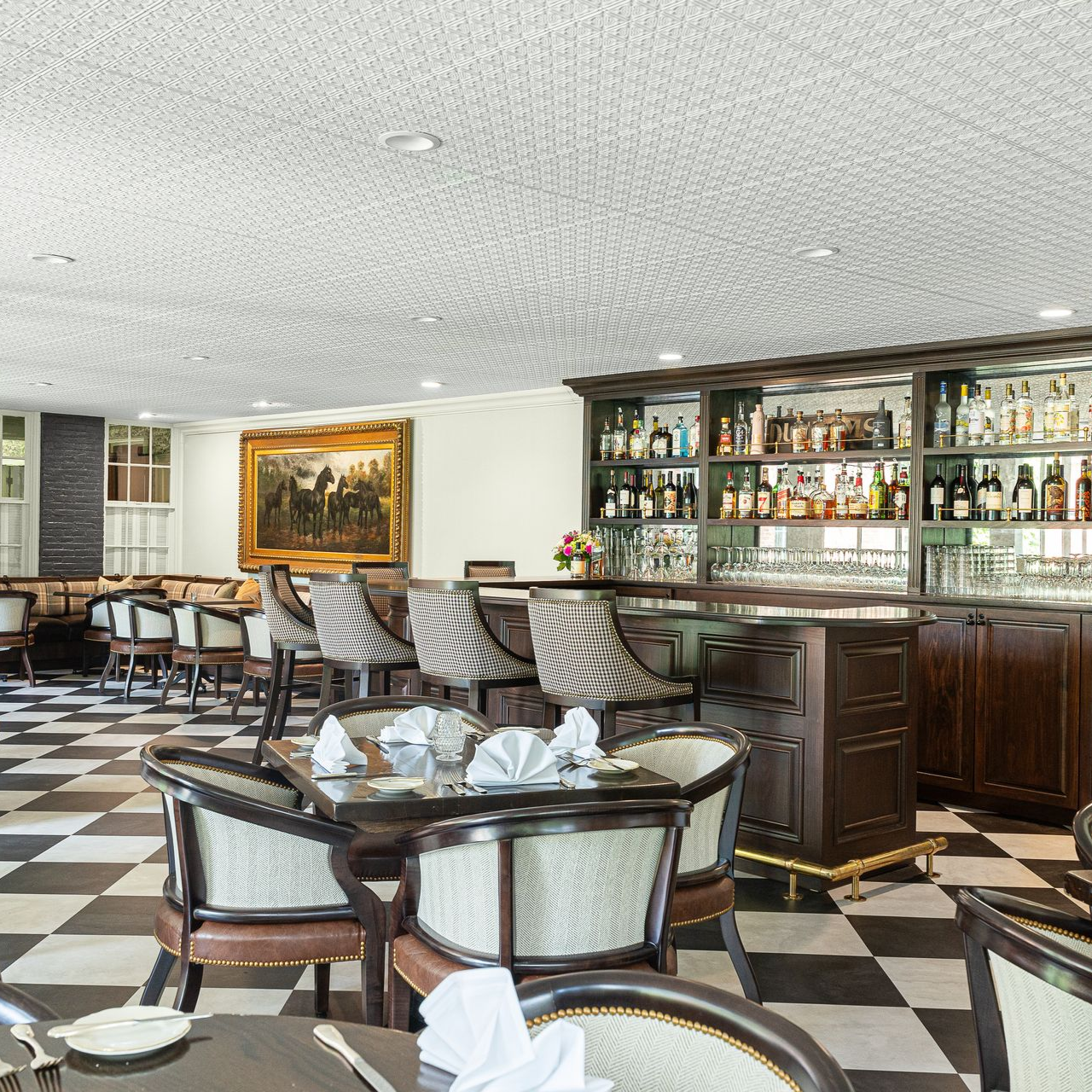
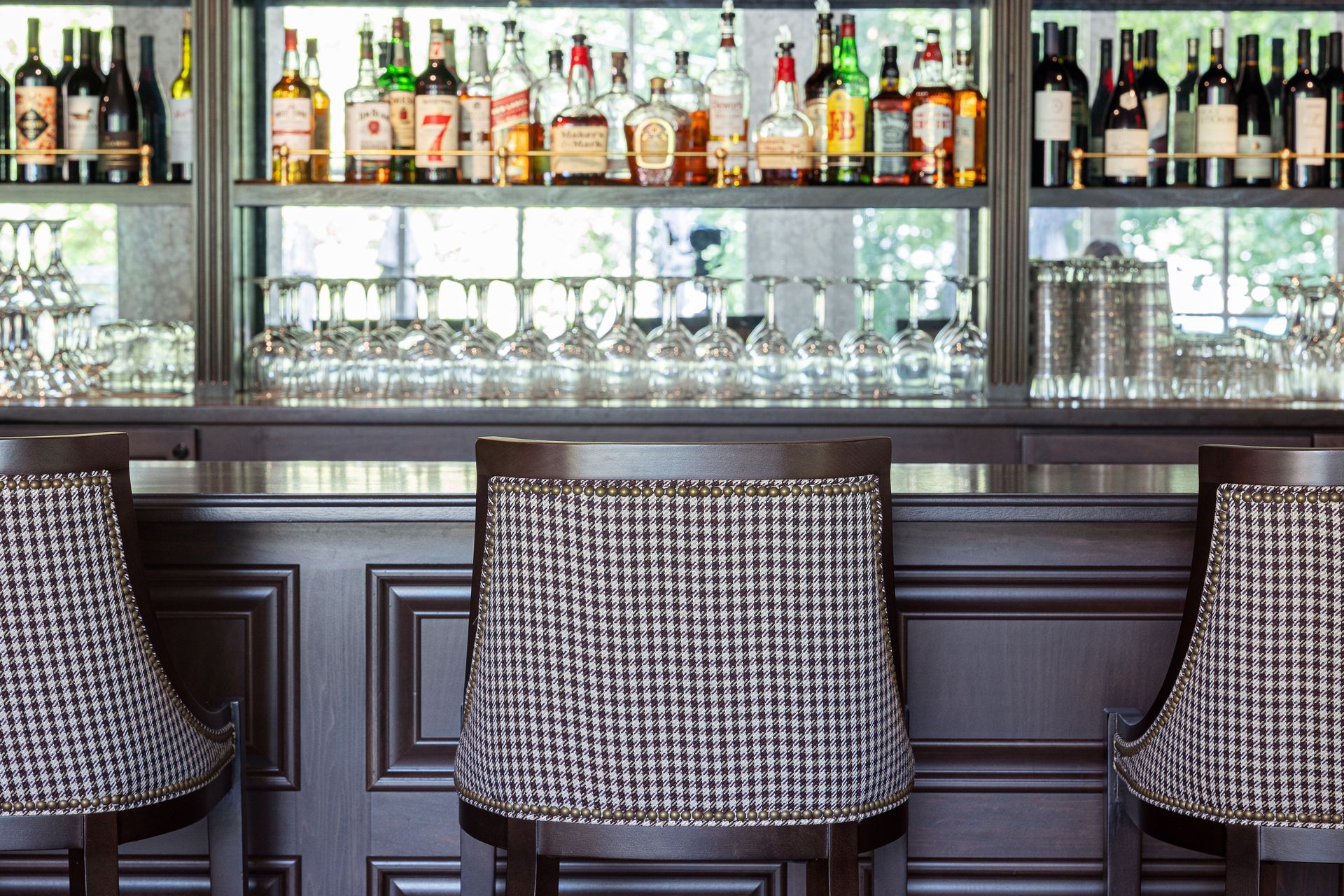
Dunham Woods Riding Club
When it comes to commercial interior design, small decisions add up to big results, good or bad. Whether you’re planning a new workplace, upgrading a multi-family amenity space, or refreshing a private club, avoiding costly missteps early on can save both budget and sanity later.
At KDI, we’ve seen it all. From boardrooms that echo like caverns to lobbies that look great but function terribly, commercial interior design mistakes often happen when decisions are rushed or strategy takes a backseat.
So, let’s break down 5 common design mistakes in commercial interiors (and how to avoid them).
Mistake 1: Skipping Strategy and Jumping Straight to Furniture
One of the biggest commercial interior design mistakes is skipping the strategy phase altogether. Too often, teams get excited about furniture selections, finishes, and aesthetics - but forget to define the purpose of the space first.
When you skip strategy, you risk:
- A layout that doesn’t support how employees or customers actually use the space
- Departments placed in the wrong locations
- Missed technology needs
- Costly changes during construction
Solution: Start with a Design Strategy for Business Impact
Great spaces begin with clarity. Before drawing a single floor plan, align on:
- Business goals
- Department adjacencies
- Workflow needs
- Future growth plans
- Hybrid work strategy
- Storage + equipment requirements
This front-end planning process is part of design process best practices and ensures every design decision has purpose.
Mistake 2: Overlooking Acoustics
You can have the most beautiful office in the world, but if no one can concentrate because it sounds like a call center, the space fails. Acoustics in office design is one of the most overlooked factors.
Common acoustic issues include:
- High ceilings with hard surfaces that amplify sound
- Open floor plans with no sound control
- Conference rooms that echo
- Exposed ceilings without soft materials
- Privacy concerns in HR, finance, or healthcare environments
Solution: Design for Sound as Early as Possible
Acoustic improvements are easiest, and most cost-effective, when they’re planned up front. Consider:
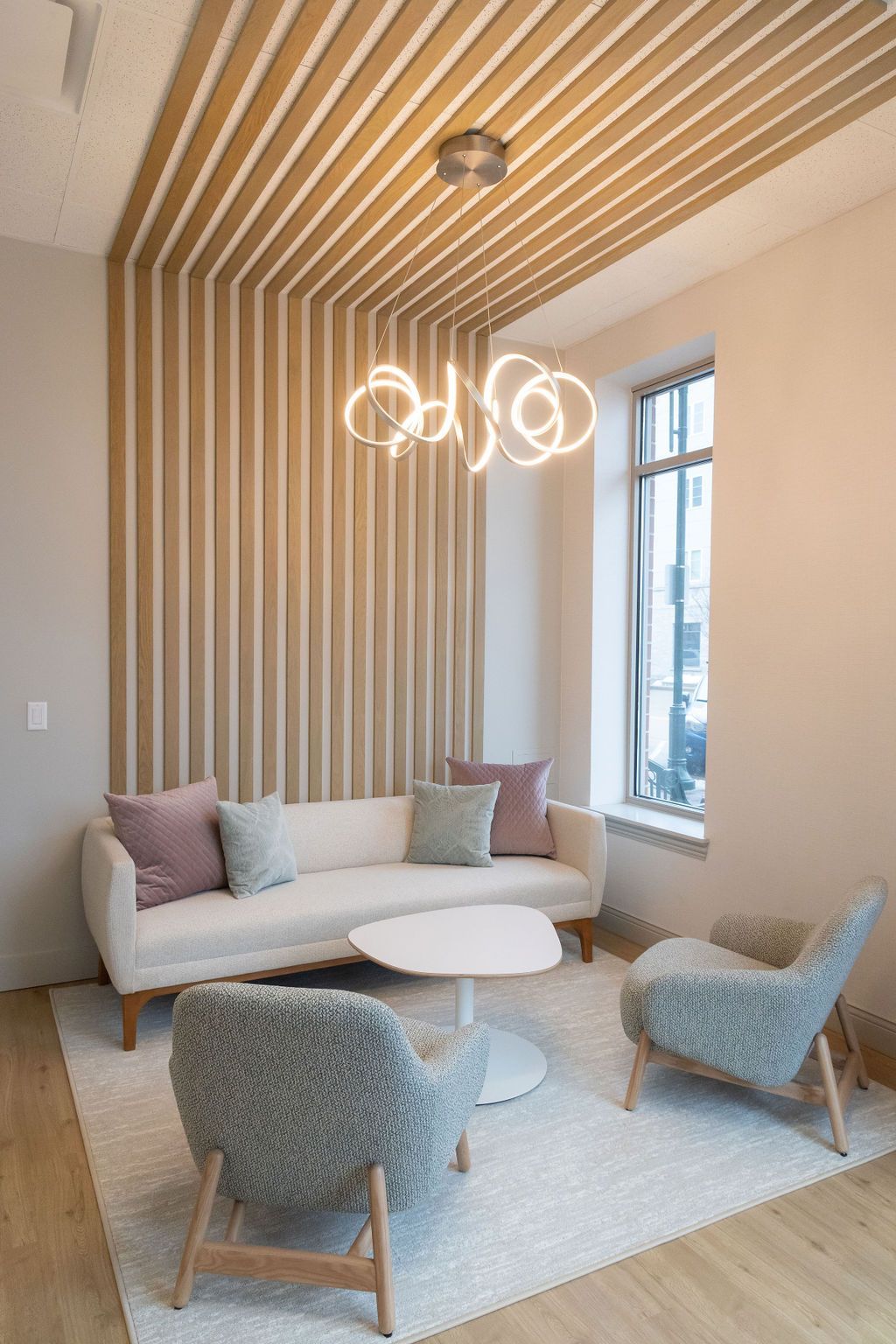
- Acoustic ceiling baffles
- Felt wall panels
- Area rugs and soft furnishings
- Acoustic lighting fixtures
- Space planning zones for quiet vs. collaborative work
Mistake 3: Prioritizing Aesthetics Over Functionality
A space can look amazing, but if it doesn't work for the people who use it, it won’t deliver value. Functionality in commercial interiors is often an afterthought when design teams are too focused on “the look.”
What this looks like in real life:
- Not enough power or data in key locations
- Circulation pathways that cause bottlenecks
- Break rooms too small for staff size
- Reception areas without storage
- Furniture that doesn’t fit equipment or technology
Solution: Put People and Purpose First
Successful commercial design starts with a deep understanding of how space supports productivity, wellbeing, and efficiency. During programming, analyze:
- Team behavior and workflow
- Meeting room usage
- Technology integration
- Traffic flow and ergonomics
Function drives form—every time.
Mistake 4: Underestimating Lead Times and Procurement Complexity
In a post-pandemic world, supply chain delays and pricing volatility are very real, and they significantly impact facility design improvements. Lead times on furniture and materials can range from 2 weeks to 20+ weeks.
Ignoring this reality leads to:
- Delayed move-in dates
- Compromise selections
- Budget changes mid-project
- Frustrated stakeholders
Solution: Partner with a Full-Service Design + Furniture Team
An experienced procurement partner can:
- Manage logistics and vendor coordination
- Recommend in-stock alternatives
- Track and manage freight + tariffs
- Avoid surprise fees
- Provide realistic lead time expectations
The fastest way to stay on schedule is to plan purchasing strategy early in the process.
Mistake 5: Forgetting About Future Flexibility
Today’s commercial spaces evolve fast. Teams grow, business models shift, hybrid work changes headcount - yet many designs are frozen in time. This is one of the most expensive design mistakes in commercial interiors because it leads to premature renovations.
Solution: Design for Longevity and Adaptability
Plan flexibility into your space with:
- Modular furniture systems
- Mobile partitions
- Multi-use rooms
- Reconfigurable layouts
- Furniture with replaceable components
Smart planning today eliminates costly rework tomorrow.
How to Avoid Costly Design Mistakes in Commercial Projects
Even perfectly designed amenities fail without programming. Empty rooms don’t build community, activated spaces do.
Design Shift: Program for People
Activate amenities with:
- Weekly co-work coffee hours
- Resident-run clubs (yoga, gaming, entrepreneurship)
- Chef demos or mixology night in the community kitchen
- Outdoor movie series
- Pet Happy Hours
- Local vendor partnerships
Space + Experience = Retention.
The best way to avoid costly design mistakes in commercial projects is to follow a strategic, phased approach anchored in your business goals. Here are the best practices we use at KDI:
- Start with Strategy – Define goals, growth plans, and workflow needs
- Design Intentionally – Balance aesthetics with performance
- Plan Early for Procurement – Lead times are real, don’t ignore them
- Think About Acoustics – Sound design equals successful design
- Future-Proof Your Space – Build flexibility from day one
Final Thoughts
Whether you're renovating a corporate headquarters, upgrading a multi-family amenity space, or refreshing a country club lounge, success in commercial design isn’t about following trends, it’s about aligning space with how people live and work.
Avoiding these commercial interior design mistakes upfront not only protects your investment but creates spaces people actually want to use.
Ready to Start Smarter? At KDI, we guide clients through a proven design process - from concept to completion - with honesty, clarity, and real partnership. If you're planning a commercial project, let's start the conversation now and build a space that truly works.
Awesome. Interiors. Start. Here.
New Title
connect with us
Latest Posts