share this
The psychology of lighting design is the way light influences how people feel, focus, move, and respond within a space. Brightness, color temperature, placement, and natural light can shape comfort, energy, attention, and perception.
For property owners, managers, and business leaders, those effects can influence how welcoming a lobby feels, how comfortable a guest room is, or how well a workplace functions throughout the day. Thoughtful lighting design helps create spaces that feel intentional, balanced, and suited to the people using them.
Why Lighting Shapes How a Space Feels
Lighting affects how people read a space almost immediately. Bright, even illumination can feel active and clear, while softer, layered light can create warmth and comfort. Placement matters too. Harsh overhead lighting, deep shadows, or glare can leave an otherwise well-designed space feeling sterile or uncomfortable.
These reactions influence more than appearance. They can affect how long someone wants to stay, where people naturally gather, and how comfortable a space feels during everyday use. Thoughtful lighting design considers brightness, contrast, color temperature, and placement together so the environment feels balanced and aligned with its purpose.
How Light Influences Mood, Focus, and Behavior
Light can affect alertness, comfort, concentration, and the way people use a room. Intensity and color temperature both play a role, but context matters just as much. A setting designed for focused work may call for a different lighting approach than a lounge, guest room, or residential amenity space. The strongest lighting strategies respond to the activity, atmosphere, and time of day instead of applying one condition everywhere.
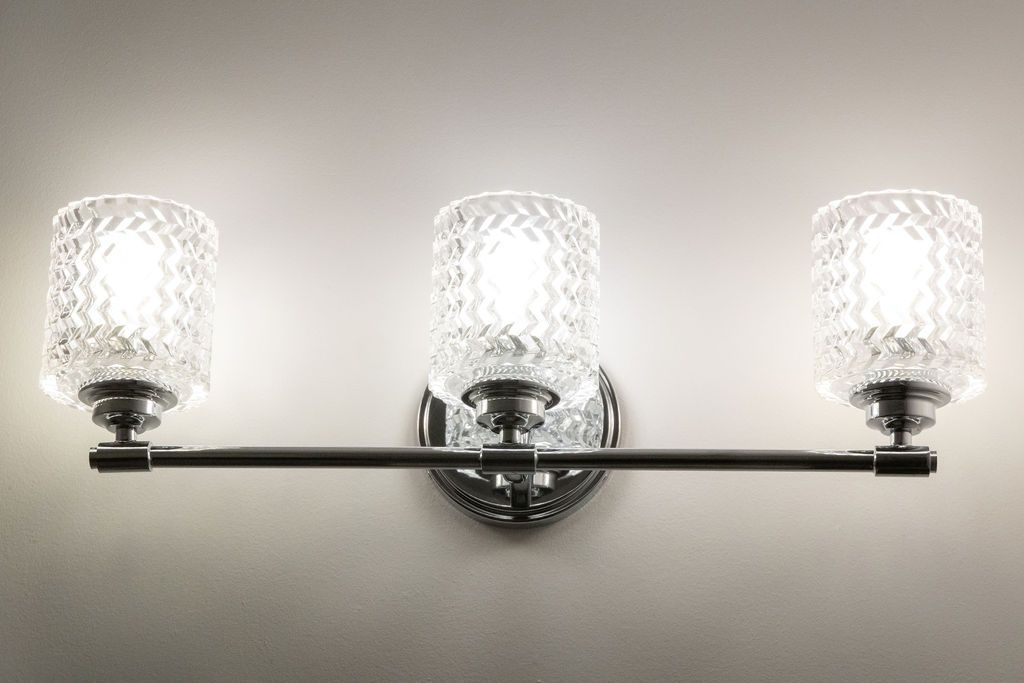
The Influence of Cool Lighting
Cooler light often feels crisp, bright, and energizing, which can work well in spaces centered on focus, visibility, and activity. In workplaces, it may suit task areas, meeting rooms, or spaces used for concentrated work. In hospitality and multifamily settings, cooler tones can also feel appropriate in areas where clarity is important.
Used too broadly, though, cool lighting can feel stark or overly clinical. Pairing it with thoughtful placement, layered sources, and warmer materials can create a more balanced experience without losing its clean, alert quality.
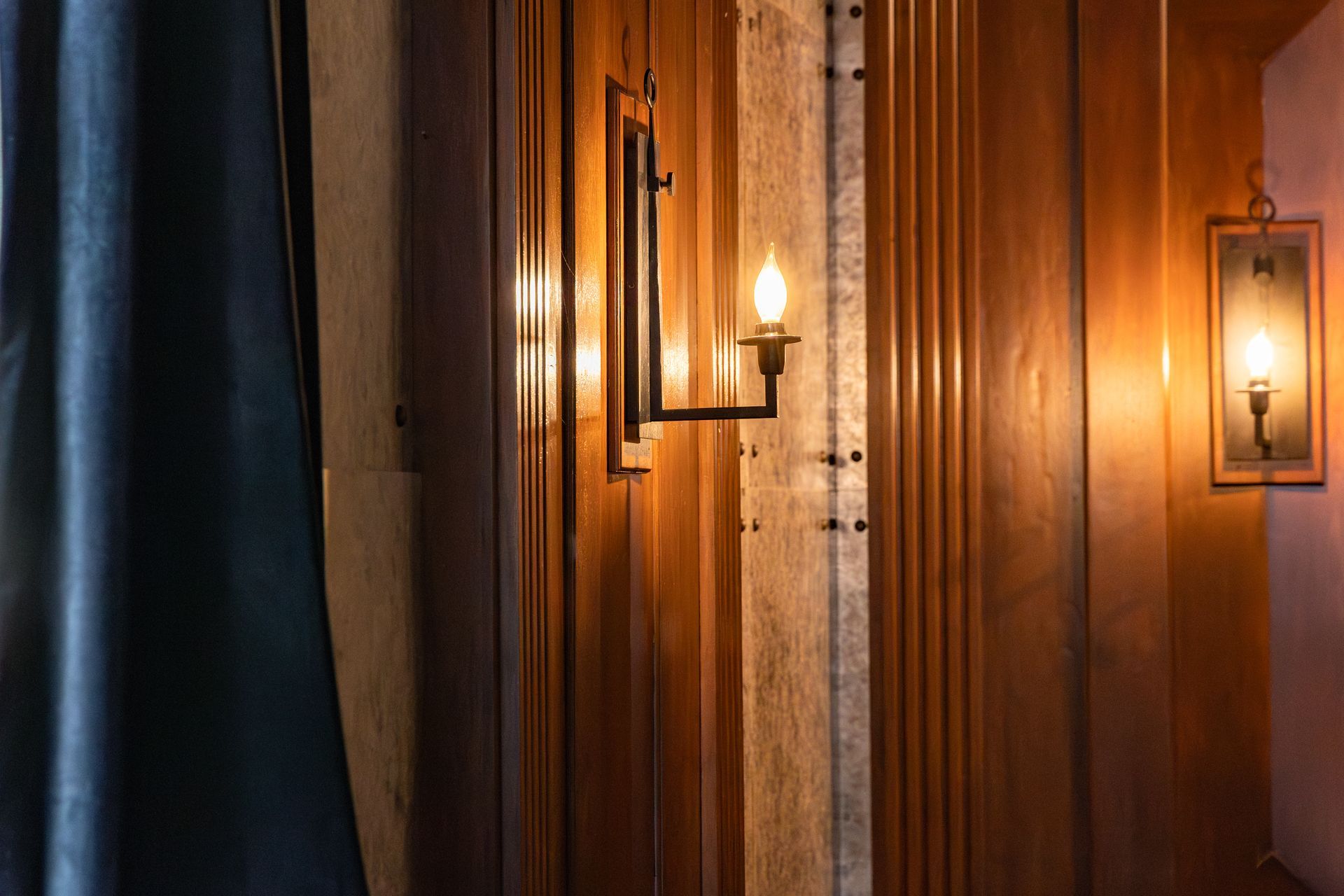
The Influence of Warm Lighting
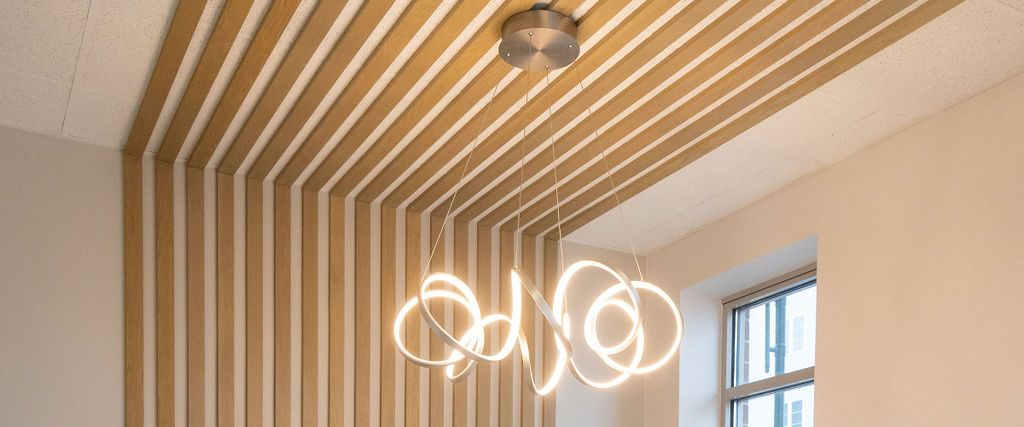
Warm lighting tends to create a softer, more relaxed atmosphere. It is often well suited to guest rooms, residential lounges, restaurants, reception areas, and other spaces where comfort and connection matter. Warmer tones can also complement wood, textiles, and other materials that bring a more residential character to an interior.
The goal is not to use warm light everywhere. Too little contrast or intensity can leave a space feeling dim or difficult to use. Layering ambient, task, and accent lighting helps preserve warmth while keeping the space functional.
Designing With Natural and Artificial Light
Natural light can bring warmth, depth, and connection to the outdoors, but it changes throughout the day and across seasons. Artificial lighting fills those gaps and helps maintain a consistent experience when daylight is limited.
A thoughtful lighting plan considers both sources together:
- Use daylight strategically: Position key spaces to take advantage of available natural light while managing glare and contrast.
- Layer artificial lighting: Combine ambient, task, and accent lighting to create flexibility after daylight fades.
- Plan for changing conditions: Consider mornings, evenings, cloudy days, and interior areas with little or no window access.
The result is a space that feels balanced, functional, and comfortable throughout the day.
Multifamily: Creating Comfort From First Impression to Everyday Living
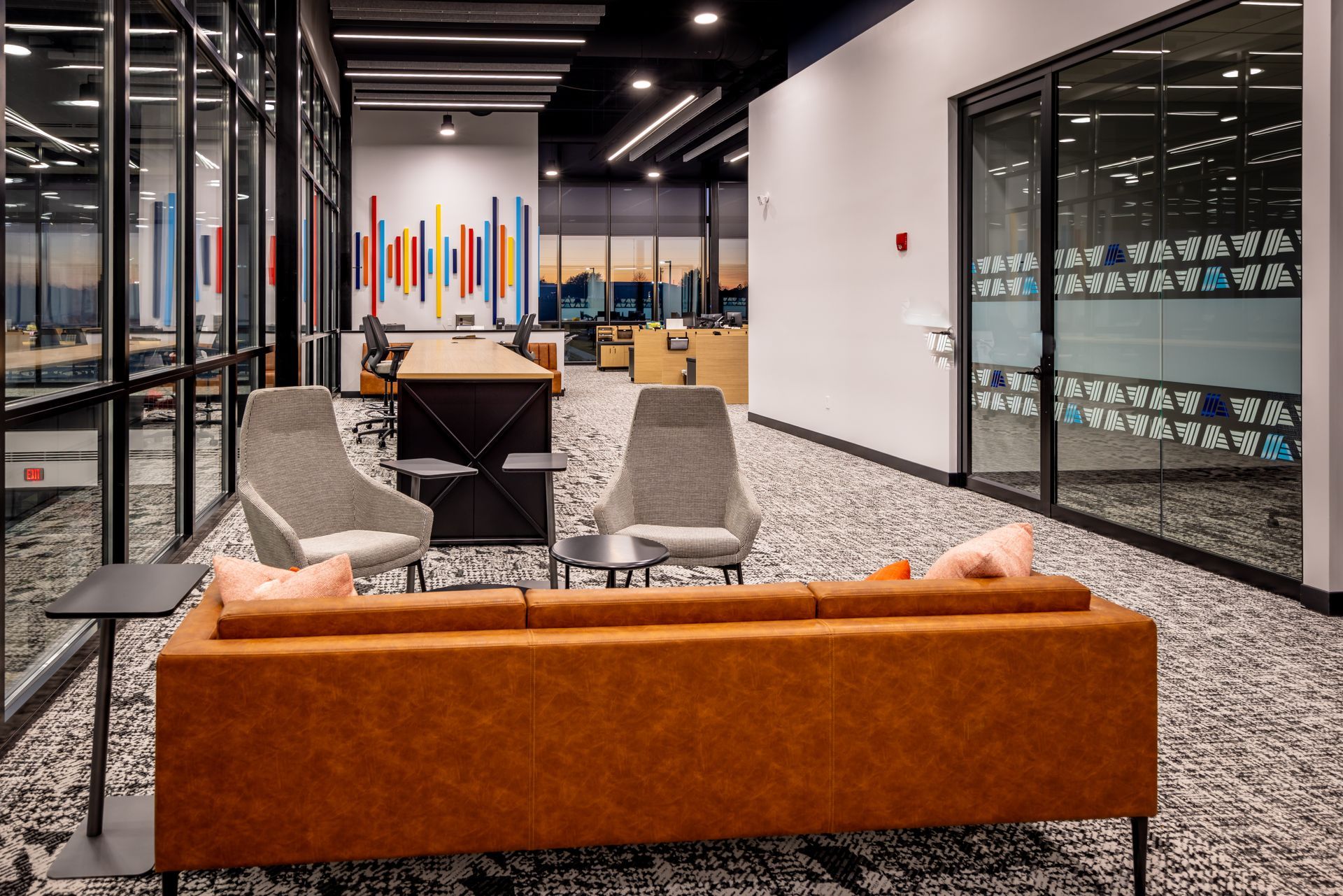
In multifamily communities, lighting shapes the resident experience from arrival through daily routines. A bright, welcoming leasing office can set the tone during a first visit, while lobbies and entries benefit from lighting that feels polished without becoming overly bright.
That experience should continue throughout the property. Corridors need enough visibility to feel comfortable while maintaining a residential character. Amenity spaces often need more flexibility, with layered lighting that works for socializing, working, or relaxing at different times of day. Shared outdoor areas also benefit from a balance of visibility and atmosphere after sunset. Together, these choices create a more cohesive resident experience.
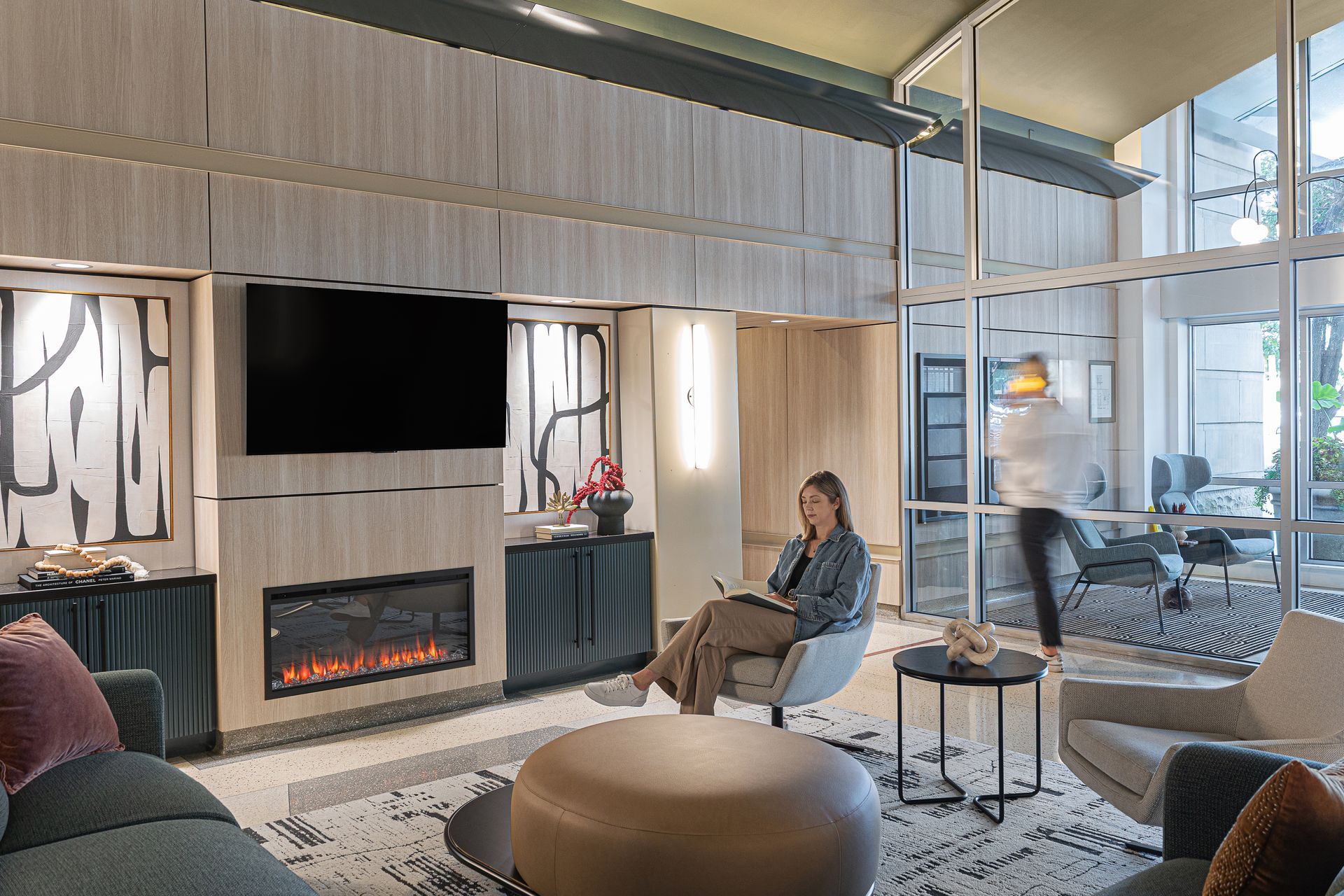
Hospitality: Using Lighting to Shape the Guest Experience
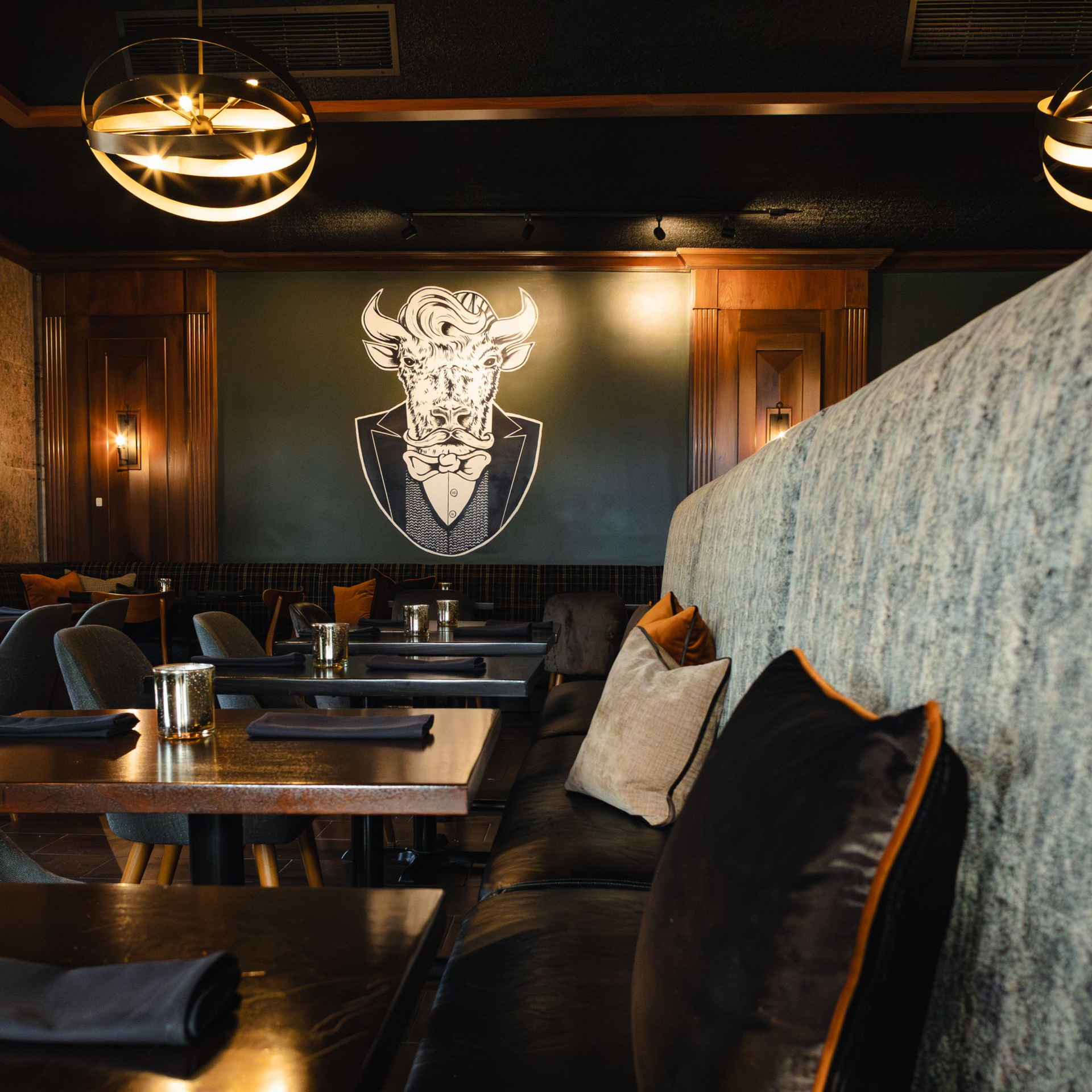
In hospitality spaces, lighting helps shape the guest experience from arrival to checkout. Lobbies and lounges often benefit from layered light that creates warmth while keeping circulation clear and comfortable.
Guest rooms call for greater flexibility. Bedside, task, and ambient lighting can work together for reading, working, getting ready, and winding down. Dining and social spaces may use softer lighting to create intimacy, while corridors and transition areas need enough consistency to help guests move through the property with confidence.
Considering each setting individually creates a more cohesive experience while avoiding a common frustration: spaces that look atmospheric but feel too dark or impractical during everyday use.
Workplaces: Supporting Focus, Collaboration, and Well-Being
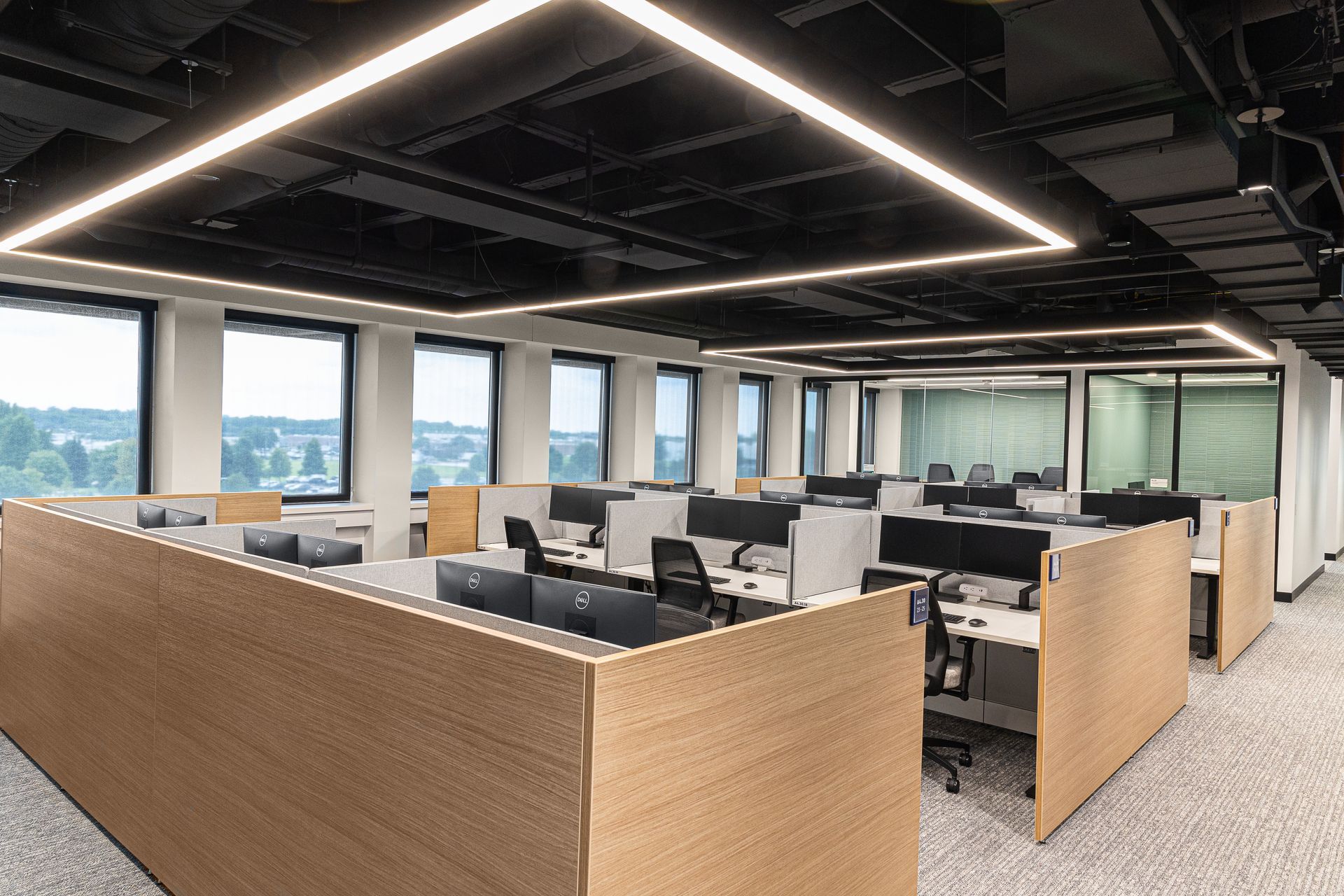
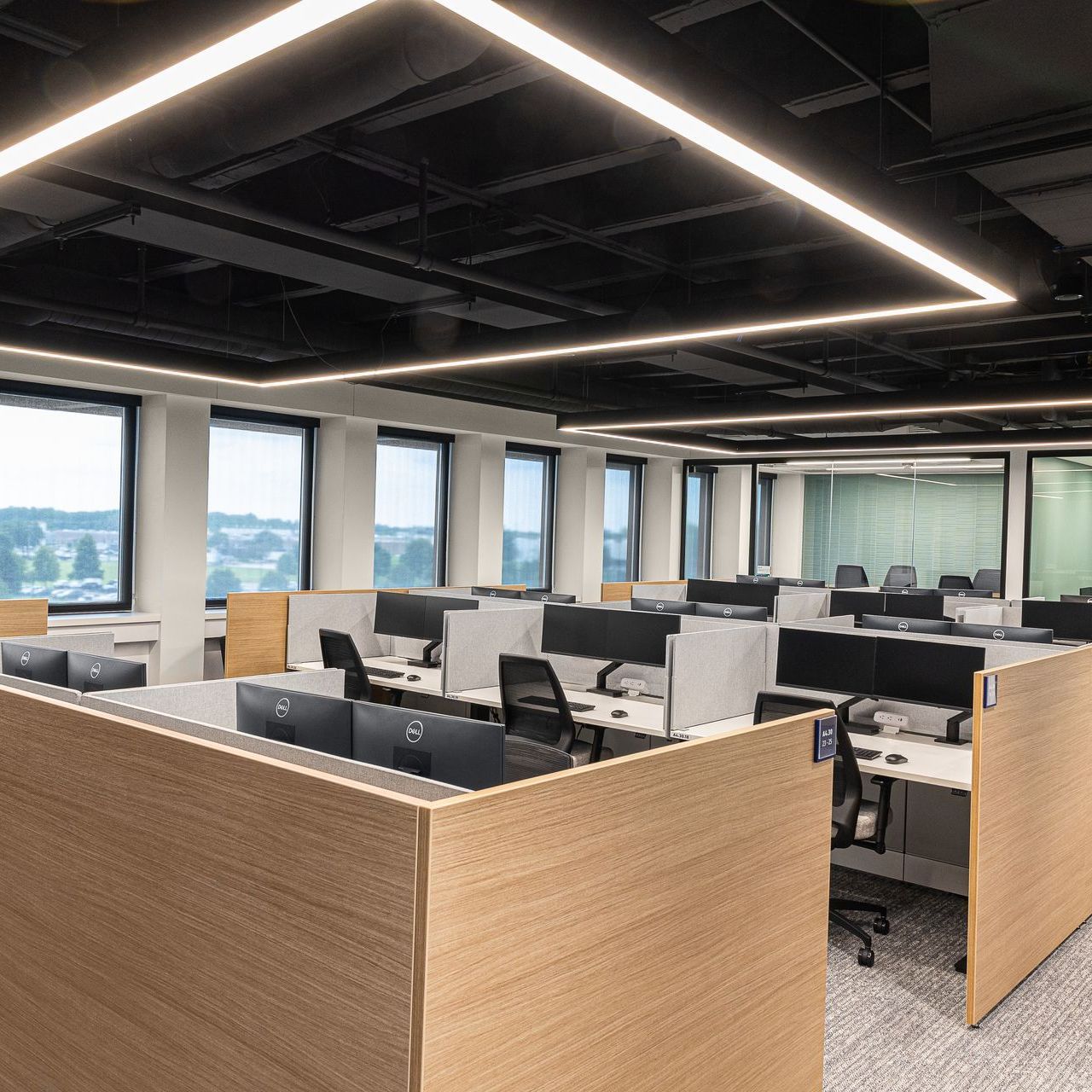
Lighting plays an important role in how employees experience the workplace throughout the day. A thoughtful office design considers where people need to concentrate, meet, collaborate, and recharge, then adjusts lighting to fit each activity.
Different zones benefit from different approaches:
- Focus areas: Clear, comfortable task lighting can reduce glare and visual strain.
- Meeting spaces: Balanced lighting helps keep the room functional for both conversation and screens.
- Collaborative areas: Brighter, more energetic settings can reinforce activity and connection.
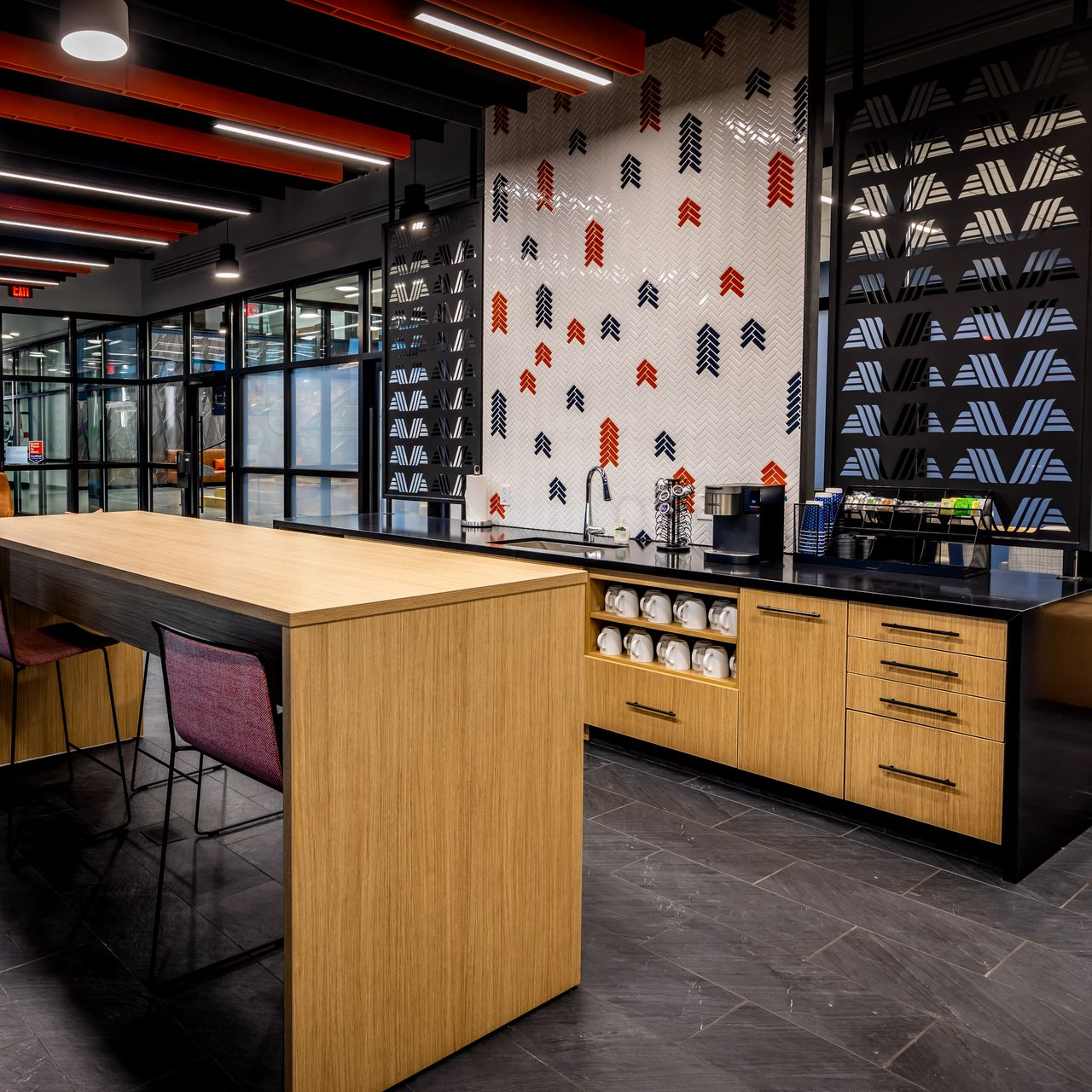
- Break spaces: Softer lighting can create a more relaxed atmosphere away from task-focused zones.
A varied lighting strategy creates a workplace that feels more comfortable, flexible, and intentional across different types of work.
Lighting as Part of a More Intentional Design Strategy
Lighting works best when it is considered alongside layout, materials, furniture, and the way people use a space. As part of a broader commercial interior design strategy, it can strengthen comfort, function, and the overall experience from one area to the next.
At KDI, thoughtful design starts with how a space needs to feel and perform. From there, lighting becomes one part of a cohesive plan built around real people and everyday use. If your property or workplace is ready for a more intentional approach,
connect with KDI to start the conversation.
connect with us
Latest Posts